

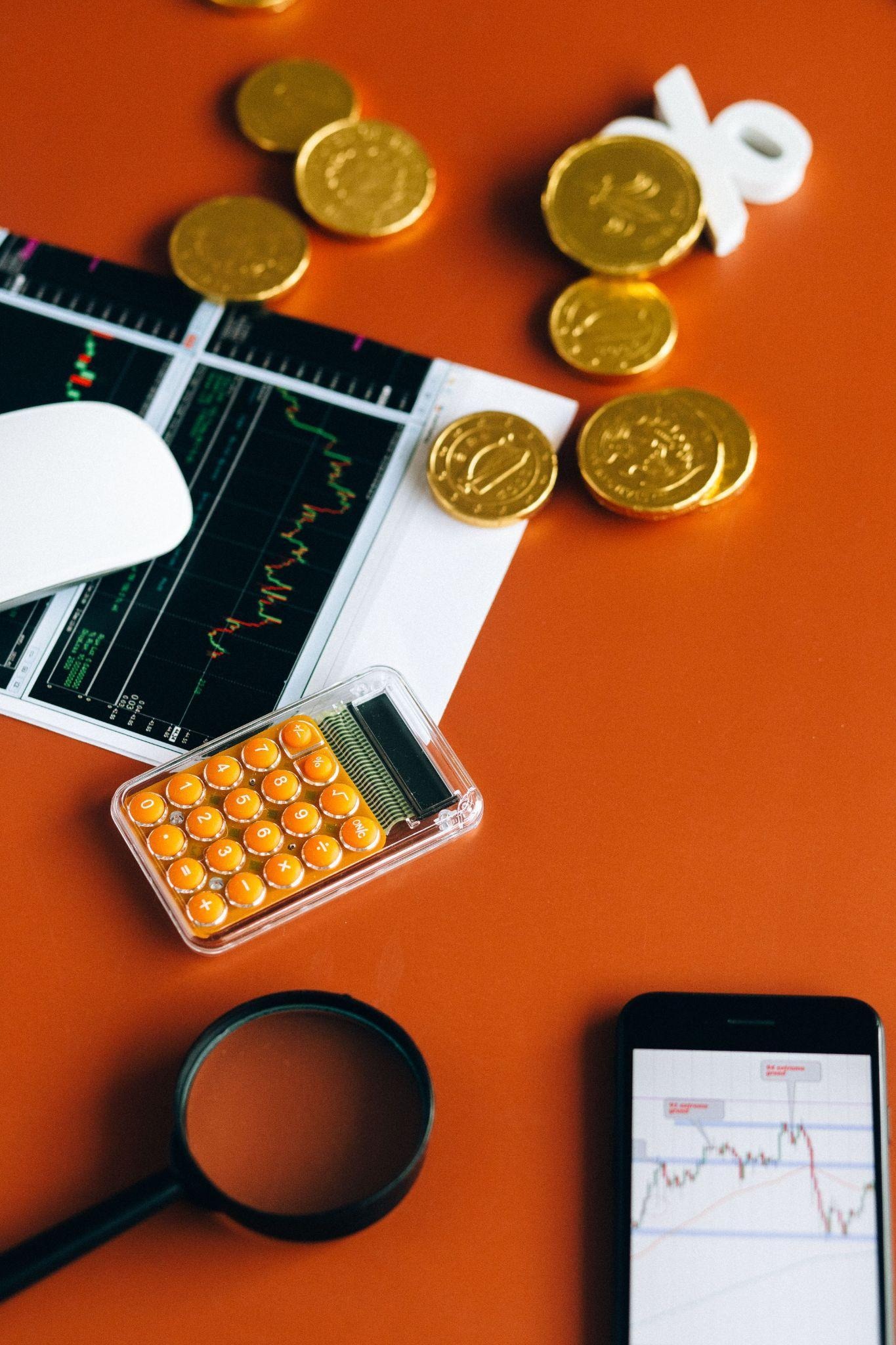
The commodity markets are interesting for various reasons. Some traders concentrate on energy products. Other people keep track of agricultural sectors or industrial materials. Gold, however, still plays a significant role as it responds to a wide range of economic, monetary and geopolitical events impacting financial markets globally.
It’s more than just a matter of what to trade. It is also about the place of trading. Prices, speed, analytics and account features all impact the user experience once they have registered. In the case of traders who want to understand the best place to trade gold commodities, the performance of the various platforms eventually becomes more crucial than any marketing message, as the real market quickly shows the level of strength and weakness.
Why Gold Remains One of the Most Watched Commodities
Gold reacts to a wide variety of market influences. Inflation data can affect it. Central bank decisions can affect it. Currency fluctuations, geopolitical tensions, and shifts in investor sentiment can also contribute to price movement. Because several catalysts may appear at the same time, traders often keep gold under observation even when attention moves toward other markets.
During uncertain periods, activity around gold frequently increases. At other times, price movement may follow expectations surrounding interest rates or broader economic performance. The reasons change. The attention rarely disappears.
Commodity Markets Extend Beyond a Single Asset
Many traders begin by watching gold, yet commodity markets include a much broader range of instruments. Energy products respond to production decisions. Agricultural commodities react to weather patterns and supply expectations. Industrial materials often reflect manufacturing activity and economic demand.
Following multiple sectors provides a wider perspective on market behavior. A development affecting one commodity may have little impact on another. For active traders, access to different instruments creates flexibility when market themes begin shifting from one sector to another. The landscape is larger than many people expect initially.
Technology Plays a Direct Role in Trading Activity
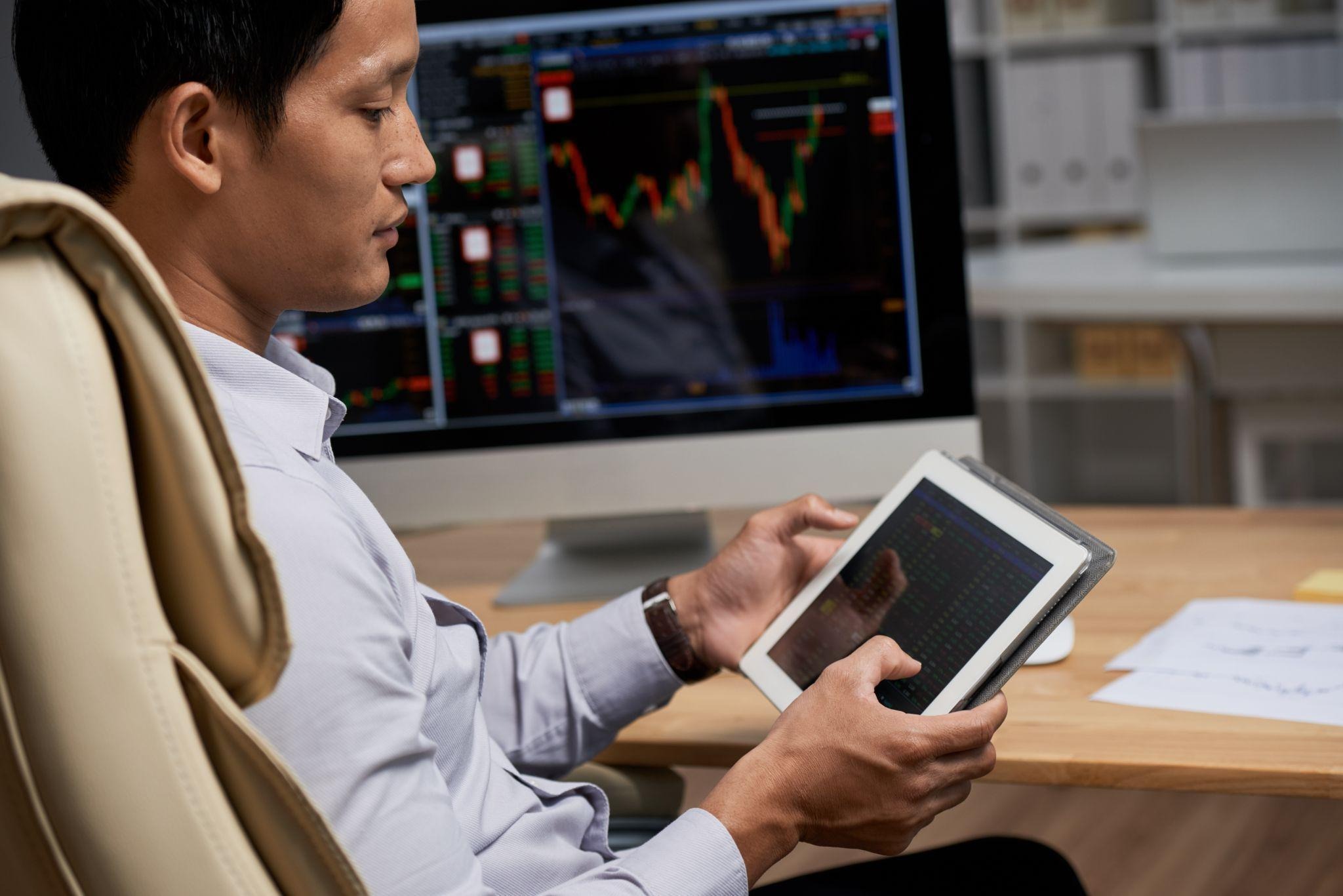
Most traders notice technology when something stops working correctly. A chart freezes. A quote updates late. An order takes longer than expected during a major announcement. Situations like these quickly remind traders that platform performance is not a secondary consideration. It sits at the center of every trading decision.
Several platform features consistently receive attention because they influence day-to-day trading activity.
Real-Time Price Information
Commodity prices can change quickly following economic releases and market developments. Current pricing helps traders evaluate movement while it is happening rather than relying on information that may already be outdated when decisions need to be made.
Advanced Chart Analysis
Charts often become the starting point for market evaluation. Drawing tools, technical indicators, multiple timeframes, and customizable layouts help traders organize information according to their preferred analytical approach.
Flexible Order Execution
Different market situations require different responses. Market orders, stop orders, limit orders, alongside pending instructions provide additional flexibility when managing entries and exits during changing conditions.
Access Across Multiple Devices
Trading activity no longer happens exclusively from one location. Desktop systems, web-based environments, and mobile applications help traders remain connected while monitoring positions throughout the day. The strongest technology often attracts the least attention because it performs consistently.
Risk Management Deserves the Same Attention as Market Analysis
Many traders spend considerable time looking for opportunities. The stronger habit is often defining exposure before entering a position. Commodity markets can react sharply to economic reports, supply disruptions, inventory updates, and unexpected developments. Managing that uncertainty becomes part of the process.
Without clear account information, maintaining discipline becomes more difficult. Effective trading environments therefore provide tools designed to support exposure management before risk begins increasing.
Stop-Loss Functionality
Protective orders establish predefined risk levels before positions are opened. This allows traders to determine acceptable exposure parameters in advance rather than relying on decisions made during periods of market volatility.
Margin Awareness
Leverage influences exposure immediately. Clear margin information helps traders understand available capital, utilization levels, and account requirements before expanding market participation.
Position Monitoring
Several active trades can become difficult to oversee simultaneously. Centralized dashboards displaying balances, open positions, transaction records, and account activity help simplify ongoing monitoring responsibilities.
Exposure Review
Risk does not always originate from a single trade. Several positions linked to similar market themes may create greater concentration than expected. Reviewing allocation levels helps traders maintain a clearer picture of overall exposure. Good risk management usually starts before a market moves.
Multi-Asset Trading Creates Greater Flexibility
Gold is often part of a broader strategy rather than the only focus. Many traders follow commodities alongside forex markets, stock indices, equities, and digital assets. Different markets respond to different catalysts, creating opportunities that may not appear within a single sector.
Modern trading environments frequently provide access to:
- Precious metals such as gold and silver
- Energy-related products
- Forex currency pairs
- Global stock indices
- Equity CFDs
- Cryptocurrency CFDs
A broader selection of instruments allows traders to shift attention when activity develops elsewhere.
Mobile Functionality Has Become Part of Daily Trading
Markets continue moving regardless of location. A trader may be traveling, attending meetings, or simply away from a workstation when an important development occurs. Because of this, mobile functionality has become part of the everyday trading experience rather than an additional convenience. Several features frequently influence platform evaluation:
Real-Time Account Monitoring
Current access to balances, positions, and account activity helps traders remain informed while market conditions continue changing.
Mobile Order Management
Supported mobile applications allow positions to be opened, modified, or closed without requiring desktop access.
Market Notifications
Price alerts and account updates help traders track developments without continuously watching charts.
Secure Access Controls
Authentication measures, protected login systems, and security features contribute to safer account management across multiple devices. The ability to respond quickly often matters more than constant screen time.
Final Thoughts
Want a trading environment that provides more than simple market access? The quality of the platform often influences every stage of participation, from analysis and execution to account management and risk oversight. For traders searching for the best broker for commodities trading in UAE, factors such as platform stability, execution quality, analytical functionality, and multi-asset accessibility continue playing an important role. Within this landscape, Flow FX provides access to commodities through MetaTrader 5 alongside forex, equities, indices, ETFs, and cryptocurrency CFDs, helping traders engage with global financial markets through a unified trading environment designed for flexibility and efficiency.




Leave a Reply