

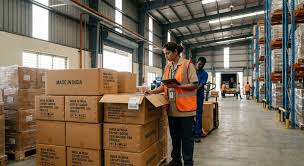
India’s position in global sourcing has shifted meaningfully over the past several years, moving from a category buyers considered mainly for textiles and handicrafts into a broader manufacturing base that now includes electronics assembly, engineering goods, pharmaceuticals, and a growing chemicals export sector. Inspection services in India have had to expand alongside that shift, and buyers evaluating a provider today should expect coverage well beyond the traditional garment-focused checklist.
The basic inspection types remain consistent with global standards, initial production checks, during-production checks, pre-shipment inspection, and container loading supervision, but the specifics of how each gets applied differ meaningfully across India’s sourcing categories. A pharmaceutical or nutraceutical inspection, for instance, requires familiarity with Good Manufacturing Practice standards and often involves checking batch records and testing certificates that a general consumer goods inspector wouldn’t be trained to evaluate.
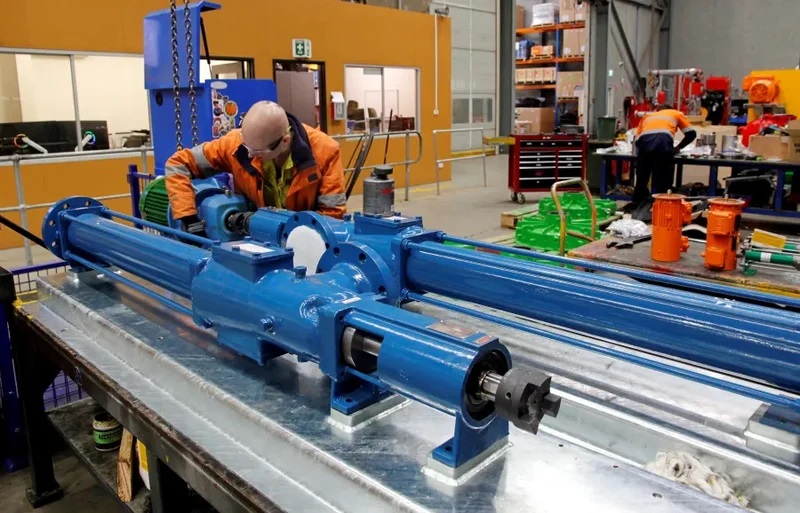
Engineering and industrial component inspection, increasingly common as global buyers look to India for auto parts, machinery components, and precision hardware, relies heavily on dimensional measurement equipment and material certification review. This category tends to need inspectors with a technical background rather than a general QC generalist, since evaluating tolerance specifications on a machined part is a different skill than checking garment stitching or packaging.
Cost structures for inspection in India tend to be more competitive than several neighboring sourcing countries, largely reflecting the broader cost base for skilled technical labor, though this varies by category and by how remote the factory location is from a major city. A factory in an established industrial cluster near Chennai or Delhi typically costs less to inspect than one in a smaller town several hours away, purely because of inspector travel time. Buyers sourcing across multiple regions should factor this into vendor comparisons rather than assuming a flat per-inspection rate applies uniformly across the country.
Pre shipment inspection matters especially for buyers working through multiple sourcing agents or trading companies rather than direct factory relationships, which remains common in India’s fragmented manufacturing landscape. An independent inspector reports what they actually find rather than what keeps a deal moving forward, and this distinction becomes important on any order where an agent has a financial incentive to smooth over problems rather than flag them.
Regional logistics affect scheduling more in India than in some more geographically compact sourcing countries. A factory in Tirupur and a factory in Faridabad might both be producing for the same buyer’s order, but they’re roughly two thousand kilometers apart, and coordinating inspection visits across that distance needs a provider with genuine multi-region coverage rather than one contractor covering the whole country on an ad hoc travel schedule.
Documentation standards have also risen. Buyers now routinely expect inspection reports with detailed photo evidence, clear AQL result breakdowns, and specific defect categorization rather than a general pass or fail summary. This shift reflects buyers managing more of their sourcing relationships remotely, without the ability to fly out and check on a shipment personally, which makes the quality and clarity of a written report carry more weight than it did when in-person buyer visits were more routine.
India’s GST and export documentation requirements add another layer that inspection providers familiar with the local system navigate faster than newcomers, particularly around ensuring the paperwork accompanying a shipment matches what’s actually being loaded, a mismatch that can hold up customs clearance on both ends of a shipment.
Chemical and specialty manufacturing, a newer but fast-growing category within India’s export base, brings its own inspection requirements around safety data sheets, hazardous material handling certification, and transport documentation that differs from anything needed for a textile or hardware shipment. Buyers entering this category for the first time should confirm their inspection provider has specific experience with chemical goods rather than assuming general industrial inspection experience transfers directly, since the compliance stakes for mishandled chemical shipments are considerably higher than for most consumer goods.
Providers with genuine multi-region coverage across India, InspectionService.com among them, are generally better positioned to support this kind of category-specific expansion than a single local contractor working across an unfamiliar product line. For buyers expanding sourcing into India for the first time, or scaling an existing relationship into new product categories, working with an inspection provider that has genuine experience across the specific category in question tends to produce more useful results than picking based on price alone.









Leave a Reply