

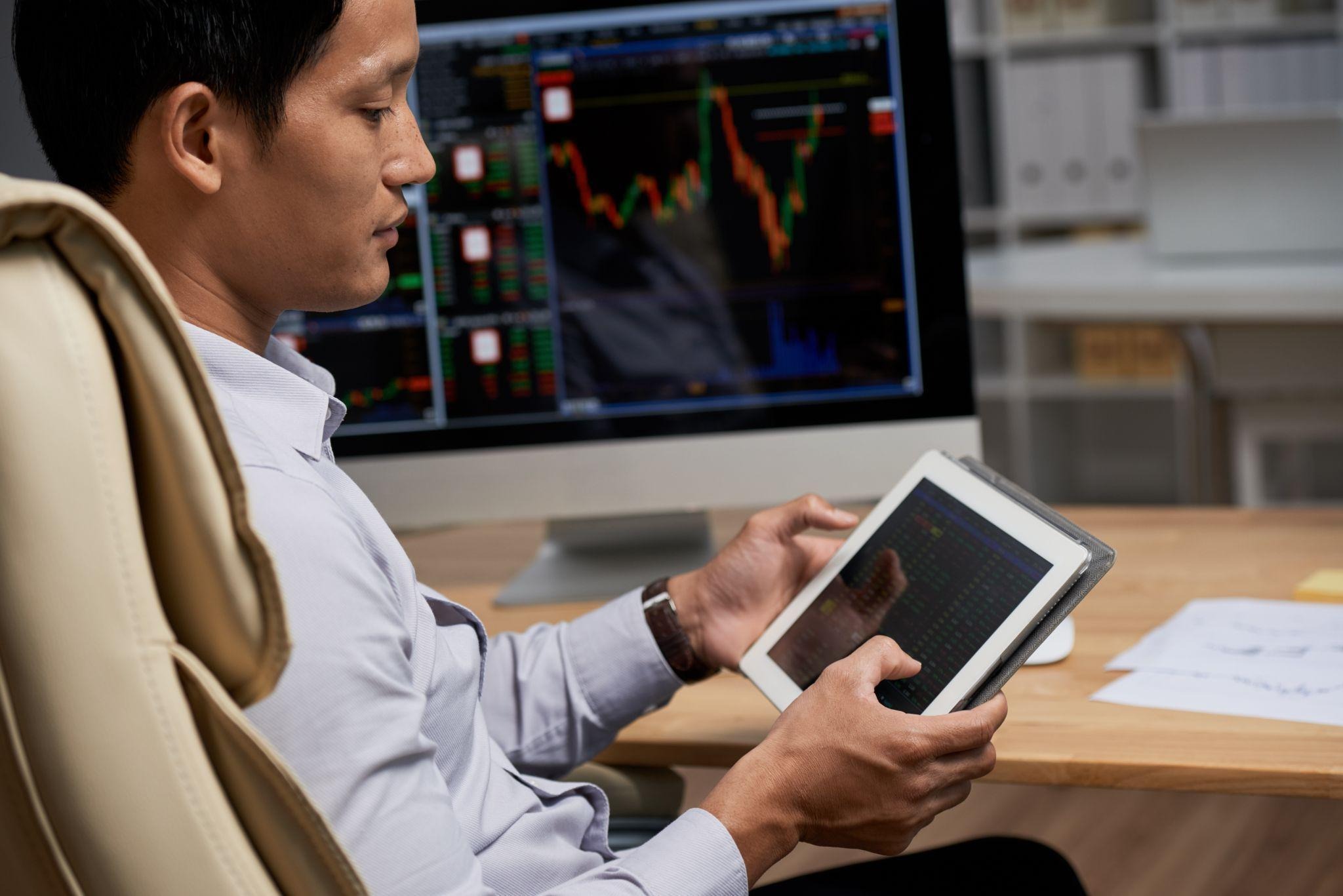
Traditional systems that are driven by brokers have been a long way behind digital forex trading. Today, investors find themselves in a very interconnected environment where trading results are characterized by speed, transparency, and control. In the service of this transition, platforms like the 9 Square FX trading account provide formatted access to global markets via an entirely digital ecosystem.
Rather than having to use fragmented tools or lagging execution, traders are now operating within coherent systems that can unify data, analytics, and execution.
How Trading Behavior Has Changed in Digital Markets
The greatest transformation in forex trading has not only been technological, but also behavioral. Investors have become accustomed to real-time information, smooth trading, and uninterrupted market access.
The previous model would have made the intermediaries very dependent, with a digital FX account making this margin much smaller. Decision-making is now quicker, and it is backed by live data and robotics, which minimize delays in manual practices.
Execution Speed as a Core Advantage
The timing has a direct impact on the outcomes in forex markets. Digital trading accounts are designed to reduce the decision-to-execution latency.
This advancement will enable traders to:
- Buy separate orders at specific prices
- Respond promptly to macroeconomic factors
- Eliminate needless execution delays
- Exert greater control over the time of trade
Speed does not qualify as a technical advantage anymore; it has started to be expected.
Expansion Beyond Currency Trading
Currently, FX platforms are not confined to currency pairs. Investors are now able to investigate various types of financial segments on one interface.
Asset coverage is typically:
- Global forex pairs
- Goods such as energy and metals
- Equity markets
- Index trading
- Cryptocurrency exposure
The increased access enables investors to diversify in various markets rather than depending on a specific asset class.
Account Structures Designed for Different Trading Styles
Digital FX ecosystems have become established and include several account types that suit various investors. For example, in a 9-square FX trading account, they or the user can interact with structured options using standard or demo, or view an overview of their trading account in accordance with the stage.
This segmentation supports:
- Novice traders are getting acquainted with market dynamics
- Daily position affirmers/traders
- Performance monitoring by portfolio-oriented users
The outcome is a more individualized trading experience rather than a one-size-fits-all system.
Decision Support Through Trading Intelligence
Contemporary platforms are very data-centric. Investors no longer make decisions based on intuition but use the professional tools of analysis available to them.
These include:
- Real-time price charts
- Technical indicators
- Historical trend analysis
- Risk measurement tools
Through such systems, traders can better able to judge the direction of the market and can be able to think with organized reasoning.
Risk Control Built Into the System
The digital FX platforms incorporate risk management as opposed to it being an extraneous process. Exposure can be auto-controlled by traders by setting conditions.
Common controls include:
- Stop-loss limits
- Take-profit levels
- Margin tracking systems
- Position size regulation
This lessens emotional judgment and assists in being in trading discipline.
The Role of Leverage in Modern FX Trading
The leverage is one of the characteristics of forex markets. Online exchanges offer systematic leverage facilities that enable parties to increase the magnitude of positions disproportionately through capital.
Investors can leverage this as a strategy to:
- Increase market exposure
- Optimize capital usage
- Don’t put all in one line
But leverage must be disciplined in the management of risks, and system-based protection is a fundamental requirement.
Unified Monitoring and Portfolio Visibility
Consolidated portfolio tracking is one of the most viable digital FX trading enhancements. Investors can now get everything under one dashboard, as compared to handling several systems.
This enables:
- Real-time profit/loss tracking
- Multi-asset monitoring
- Instant performance review
- Faster strategy adjustments
Such visibility enhances the accuracy of decisions and the efficiency of the portfolio.
Security and System Reliability
With the complete digitalization of trading, security infrastructure has become a crucial one. Platforms are currently supported by sophisticated systems of protection in order to protect both transactions and data.
The most important security levels are:
- Encrypted communication systems
- Secure login authentication
- Fraud monitoring systems
- Guarded fund management procedures
The measures also make sure that the trading activity is stable and transparent.
Accessibility Across Devices and Users
Digital FX platforms are made to be universally accessible. Traders are able to trade via their mobile phones, computers, or tablets without losing functionality.
Important accessibility features are:
- Mobile trading applications
- Simple onboarding processes
- Instant funding options
- Intuitive user dashboards
This has greatly reduced entry barriers for new players.
Practice Environments for Skill Building
Demo accounts are an indispensable component of contemporary FX systems. Their simulation enables users to experience real market scenarios without risking their money.
This helps traders:
- Understand market dynamics
- Test strategies safely
- Learn platform tools
- Build execution confidence
These environments foster progressive learning prior to participation.
Technology as the Foundation of Performance
All digital FX platforms have a robust technological backbone. User experience is characterized by stability, speed, and the power of processing the data.
Some of the characteristics of core technology are:
- Low-latency execution engines
- Cloud-based infrastructure
- Real-time data synchronization
- Multi-device integration
Such systems guarantee performance even in high volatility periods.
Industry Expansion and Market Participation
Via organized, effective, and clear systems, the implementation of digital FX trading has only been increasing among investors. E-commerce tools like top trading platforms in India accommodate this need by enhancing ease and accessibility with regard to participating in international markets. This trend has clear adoption of technology-led financial ecosystems.
Conclusion
The use of digital FX trading accounts has essentially transformed the manner of interaction with the world financial markets by investors. They integrate speed, orderly access, analytical features, and protection within one system, which caters to both amateurs and seasoned traders.
Platforms like 9 Square FX continue to refine this experience by integrating advanced trading infrastructure into the 9 Square FX trading account, enabling more structured participation in global markets. As digital adoption increases, top trading platforms in India are expected to further enhance trading accessibility and system efficiency for investors worldwide.





Leave a Reply