

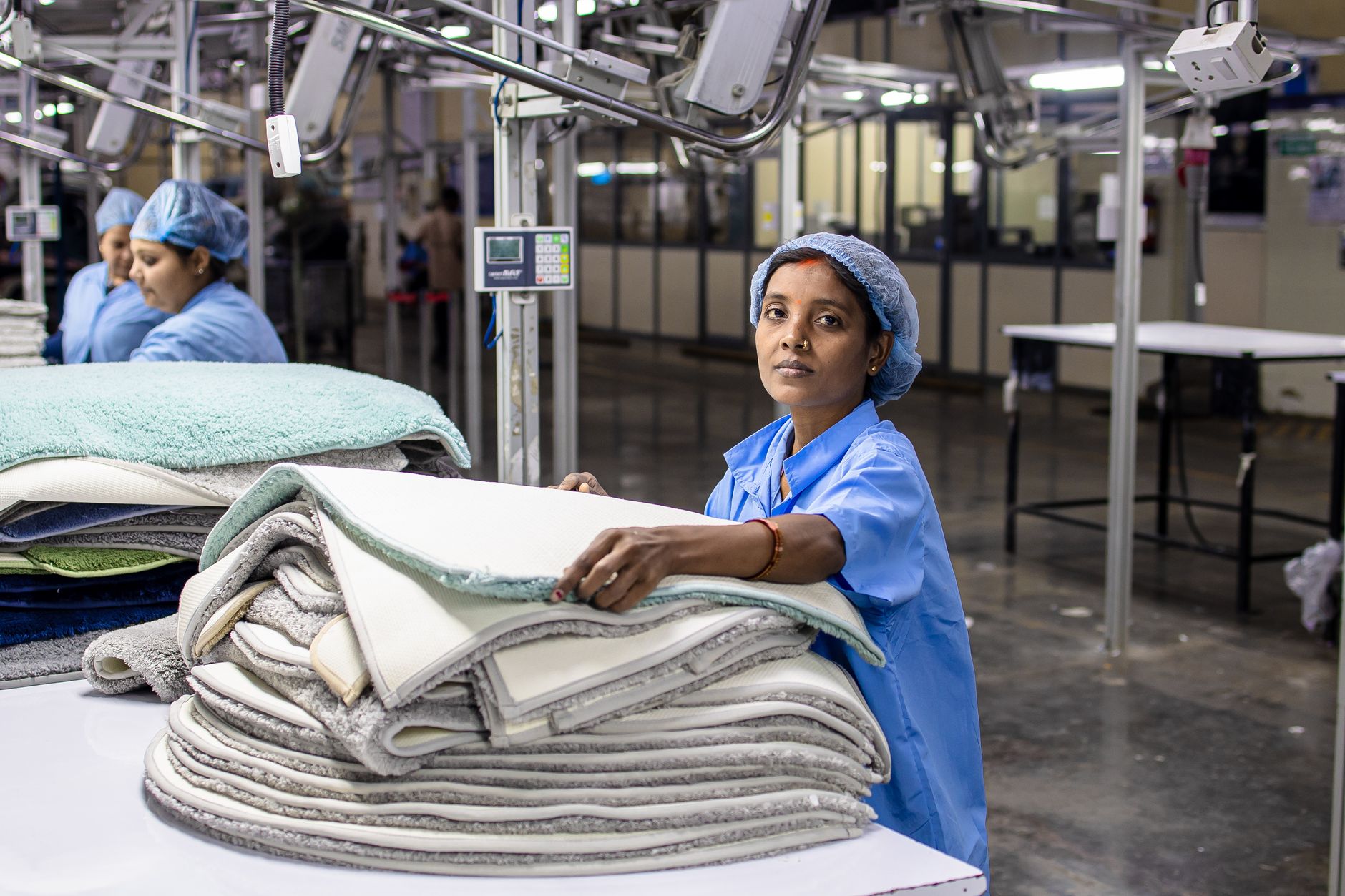
Switzerland’s industrial sector continues to play an important role in the country’s economic structure, supporting manufacturing, engineering, technology, logistics, and specialized production. For professionals seeking Industrial jobs in Switzerland (industrie jobs schweiz), the market offers opportunities across traditional production environments as well as modern, technology-driven workplaces. Employment patterns indicate that employers increasingly value technical competence, adaptability, reliability, and the ability to work efficiently within structured industrial processes.
In This Article
- Current Landscape of Swiss Industrial Employment
- Skills Employers Commonly Seek
- Regional Opportunities and Industrial Diversity
- The Growing Importance of Technical Development
- Workplace Reliability and Safety
- Preparing for an Industrial Career
- Conclusion
Current Landscape of Swiss Industrial Employment
Industrial employment in Switzerland covers a broad range of professional functions. Production operators, technicians, engineers, quality specialists, maintenance professionals, warehouse personnel, and production planners all contribute to industrial operations. The sector also includes highly specialized roles connected with automation, precision manufacturing, electronics, pharmaceuticals, food production, and advanced engineering.
The changing nature of industrial work has created demand for employees who can combine practical knowledge with digital awareness. Modern production facilities often use automated equipment, monitoring systems, computerized planning tools, and data-supported processes. As a result, technical understanding has become increasingly valuable across many industrial positions.
Skills Employers Commonly Seek
Workplace requirements vary according to the position, but several capabilities are consistently relevant. Technical knowledge remains important for production and engineering roles, while attention to detail is essential for quality-related responsibilities. Employers also appreciate candidates who demonstrate strong organizational skills, problem-solving ability, and professional communication.
Digital competence is becoming another important factor. Employees may need to operate production software, interpret technical information, monitor automated systems, or work with digital documentation. Familiarity with modern workplace technology can therefore strengthen a candidate’s professional profile.
Language skills can also support career development. Depending on the workplace and region, employees may communicate in German, French, Italian, or English. The ability to understand workplace instructions and communicate clearly with colleagues contributes to safety, productivity, and effective teamwork.
Regional Opportunities and Industrial Diversity
Industrial activity differs across Switzerland, with employment opportunities influenced by regional business structures and specialized industries. Some areas are strongly associated with precision engineering and manufacturing, while others have established connections with pharmaceuticals, technology, food production, or logistics.
This regional diversity allows job seekers to consider opportunities according to their professional background and preferred working environment. Candidates with specialized technical skills may find positions within highly regulated industries, while people with practical production experience can explore operational roles in manufacturing facilities and processing environments.
The Growing Importance of Technical Development
Industrial workplaces are evolving as automation and digitalization become more integrated into everyday operations. This development does not simply remove traditional roles; it also creates new responsibilities involving equipment monitoring, system operation, maintenance, process optimization, and technical support.
For employees, continuous learning can therefore be an important part of long-term career development. Professional training, technical certifications, workplace experience, and familiarity with emerging technologies can help candidates remain competitive as industrial requirements change.
Workplace Reliability and Safety
Safety remains a fundamental consideration in industrial employment. Production environments often involve machinery, equipment, materials, and carefully controlled processes. Employers therefore seek workers who follow procedures consistently and understand the importance of workplace safety.
Reliability is equally important. Industrial operations depend on coordinated teams, accurate schedules, and consistent quality standards. Employees who demonstrate punctuality, responsibility, careful working habits, and respect for established procedures can make a strong contribution to operational performance.
Preparing for an Industrial Career
Job seekers can improve their prospects by presenting their experience clearly and focusing on skills that directly relate to the position. A professional CV should highlight technical knowledge, practical experience, certifications, language abilities, and relevant workplace achievements.
Candidates should also research the responsibilities associated with each role before applying. Understanding the working environment and required competencies makes it easier to communicate suitability during interviews.
Conclusion
Switzerland’s industrial sector remains a diverse employment environment shaped by manufacturing expertise, technological development, precision, and professional standards. As workplaces continue to modernize, opportunities are emerging for candidates with technical knowledge, practical experience, digital skills, and a commitment to continuous improvement. A focused job search combined with professional preparation can help qualified candidates identify suitable industrial career paths and build sustainable opportunities within Switzerland’s evolving employment landscape.
Quick Summary
- Switzerland’s industrial sector encompasses manufacturing, engineering, technology, logistics, and specialized production.
- Employment patterns show that employers value technical competence, adaptability, reliability, and efficiency within structured industrial processes.
- The industrial job market includes roles such as production operators, technicians, engineers, quality specialists, and maintenance professionals.
- Digital competence is increasingly important, requiring employees to operate production software, monitor automated systems, and manage digital documentation.
- Safety and reliability are critical in industrial employment, with employers seeking workers who consistently follow procedures and demonstrate punctuality.
- Job seekers can enhance their prospects by clearly presenting relevant experience and skills, including language abilities and technical knowledge.





Leave a Reply