

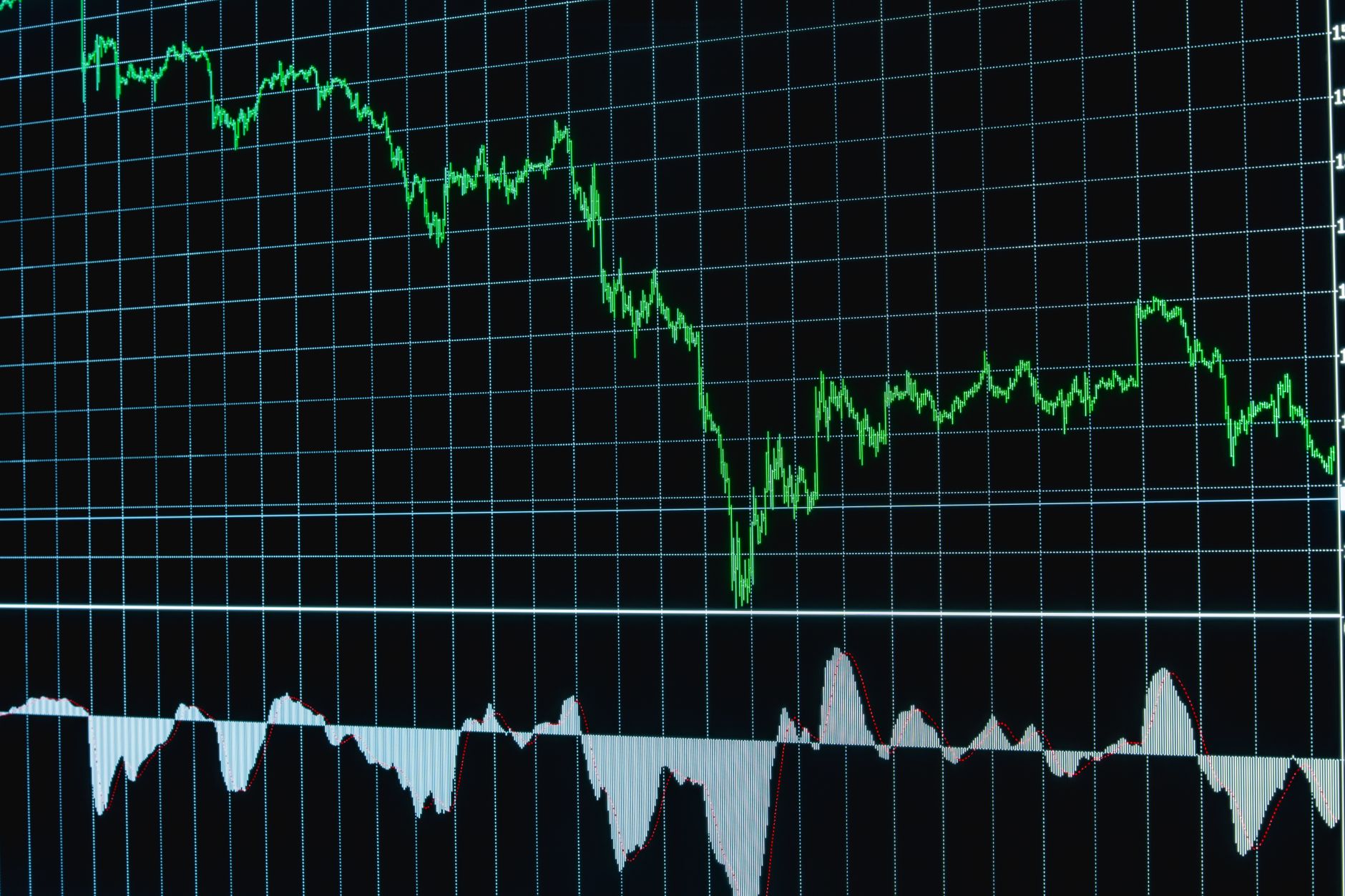
Equity market underperformance is a pressing issue, as India’s Finance Minister highlights the impact of easy exits and excess liquidity on market dynamics.
Understanding Equity Market Dynamics
In recent discussions, India’s Finance Minister addressed the equity market underperformance that has been a growing concern among investors and analysts alike. Understanding the dynamics of the equity market is crucial to grasping the reasons behind this trend.
One significant factor contributing to the underperformance is the ease with which investors can exit their positions. This has led to a lack of commitment among participants in the market, creating volatility and uncertainty.
Additionally, the excess liquidity in the financial system has made capital available but has also diluted the quality of investments. When money is readily available, it can lead to a surge in speculative trading, often overshadowing long-term, value-driven investment strategies.
To navigate this challenging landscape, it is essential for investors to focus on fundamentals rather than short-term gains. Building a diversified portfolio and conducting thorough research can help mitigate risks associated with market fluctuations.
Furthermore, the Finance Minister urged market participants to adopt a more disciplined approach, emphasizing the importance of sustainable growth over quick profits. By doing so, investors can better weather the storms that accompany an environment characterized by equity market underperformance.
The Role of Excess Liquidity
In a recent statement, India’s Finance Minister shed light on the role of excess liquidity in the equity market underperformance. She emphasized that the current financial landscape is significantly influenced by the availability of abundant liquidity, which is often a double-edged sword.
Excess liquidity tends to create a distortion in market fundamentals. This scenario can lead to inflated asset prices, making it challenging for investors to accurately assess the true value of equities. As a result, many investors may be deterred from making long-term commitments, fearing that they are entering a market that does not reflect its true potential.
Moreover, the Finance Minister noted that easy exits from investments further exacerbate this situation. With lower barriers to entry and exit, investors may engage in more speculative trading rather than investing for the long haul. This behavior contributes to volatility, making the equity market appear less stable and more prone to sudden fluctuations.
To address these issues, the government is exploring measures to encourage more prudent investment strategies and to stabilize the market environment. This could include tightening liquidity provisions to ensure a healthier balance that supports sustainable growth and reduces the risk of equity market underperformance.
Impact of Easy Exits on Investors
The recent statements made by India’s Finance Minister shed light on the implications of easy exits for investors in the current financial landscape. As the equity market experiences underperformance, the accessibility of quick exits has become a double-edged sword for many participants.
Investors are often drawn to the idea of liquid markets where they can swiftly divest their holdings. However, this ease can lead to:
- Increased Volatility: The ability to exit positions rapidly may contribute to erratic market behavior, as investors react impulsively to news and market shifts.
- Short-Term Focus: Many investors, motivated by the option of easy exits, might prioritize short-term gains over long-term investments, which can undermine overall market stability.
- Market Sentiment: The perception of an unstable environment can deter new investments, exacerbating the equity market underperformance as confidence wanes.
It is crucial for investors to navigate this landscape with caution. Emphasizing a balanced strategy that includes fundamental analysis could help mitigate the risks associated with hasty decisions driven by the allure of easy exits.
Current Trends in Indian Equity Markets
In recent months, the Indian equity market has experienced notable underperformance, raising concerns among investors and analysts alike. Various factors contribute to this trend, as highlighted by India’s Finance Minister. The current landscape is characterized by several key trends that are shaping market dynamics.
- Increased Volatility: Investors are witnessing heightened volatility in stock prices, driven by both domestic and global economic uncertainties.
- Sectoral Disparities: While certain sectors display resilience, others struggle significantly, leading to uneven performance across the market.
- Declining Retail Participation: A noticeable decrease in retail investors has been observed, as many are hesitant to enter the market amid fears of further declines.
- Profit Booking: Investors are increasingly engaging in profit booking, further contributing to the downward pressure on stock prices.
- Global Influences: External factors, including geopolitical tensions and shifts in global monetary policy, are also impacting investor sentiment and market performance.
As the Finance Minister pointed out, the combination of excess liquidity and the allure of easy exits is exacerbating the underperformance of the equity market. Investors are urged to remain cautious and to closely monitor these evolving trends.
Expert Opinions on Market Performance
In recent discussions surrounding the equity market underperformance in India, various experts have shared their perspectives on the contributing factors. Notably, many point to the interplay between market dynamics and investor behavior as crucial elements in understanding the current landscape.
According to Dr. Anjali Rao, a prominent economist, “The equity markets are experiencing a period of adjustment, where excess liquidity has led to inflated valuations that are not sustainable.” This sentiment is echoed by several analysts who emphasize that the availability of easy exits has created a false sense of security among investors.
Furthermore, Rajiv Mehta, a market strategist, commented, “Investors need to be cautious. The current underperformance of the equity market is a result of not just external factors but also the internal sentiment among traders.” He highlights that the influx of retail investors, driven by low interest rates, has resulted in a volatile market environment.
Additionally, industry expert Priya Singh warns, “The challenges ahead include a potential correction as the markets recalibrate to fundamental values.” Her insights suggest that while the market may rebound, the current period of underperformance could linger as participants adjust their strategies in response to evolving economic indicators.
Historical Context of Market Fluctuations
The historical context of market fluctuations provides valuable insights into the current equity market underperformance witnessed in India. Over the past few decades, various economic cycles have influenced investor behavior and market dynamics. Key events, ranging from global financial crises to domestic policy changes, have shaped the landscape of equity investing.
In the early 2000s, India experienced a significant bull run, driven by economic reforms and increased foreign direct investment. However, this period was followed by corrections that highlighted the volatility inherent in equity markets. Such fluctuations often reflect broader economic conditions, including inflation rates, interest rates, and geopolitical stability.
Additionally, the presence of excess liquidity has historically led to inflated asset prices, creating a disconnect between market valuations and underlying economic fundamentals. This has been particularly evident in recent years, where easy exits facilitated by technology have encouraged speculative trading rather than long-term investment.
The cyclical nature of markets underscores the importance of understanding these historical trends. As investors grapple with the current equity market underperformance, learning from past fluctuations can provide guidance on navigating future uncertainties. By analyzing historical data, stakeholders can better anticipate potential market corrections and adjust their strategies accordingly.
Future Predictions for Equity Markets
As the equity market underperformance continues to capture attention, experts are weighing in on future predictions for market behavior. Analysts foresee several factors that could influence the trajectory of equity markets in the coming months.
- Economic Recovery: A robust recovery from the ongoing economic challenges could lead to improved corporate earnings, which may, in turn, support equity market growth.
- Policy Adjustments: Changes in fiscal and monetary policies, particularly those aimed at curbing excess liquidity, could stabilize market fluctuations and restore investor confidence.
- Global Influences: International market trends and geopolitical tensions are anticipated to play a significant role in shaping investor sentiment, potentially leading to volatility in the Indian equity markets.
- Sectoral Variations: Certain sectors may outperform others based on sector-specific developments, providing opportunities for savvy investors amid broader market challenges.
- Long-Term Investment Strategies: Financial advisors recommend focusing on long-term investment strategies as a way to mitigate the impacts of short-term volatility and equity market underperformance.
Overall, while uncertainties persist, the interplay of these elements will be crucial in determining the future landscape of equity markets in India.
Policy Recommendations for Improvement
In light of the recent observation regarding equity market underperformance, India’s Finance Minister has proposed several policy recommendations aimed at revitalizing the market. The government acknowledges the challenges posed by excess liquidity and the ease of exits for investors, which have contributed to the prevailing situation.
To address these issues, the Finance Minister emphasized the need for:
- Regulatory Reforms: Streamlining regulations to ensure a more robust framework that discourages speculative trading and encourages long-term investment.
- Market Education: Initiatives aimed at improving investor literacy, enabling individuals to make more informed decisions about their investments.
- Incentives for Long-Term Investors: Providing tax benefits or other incentives for investors who commit their capital for longer durations, helping to stabilize the market.
- Enhanced Transparency: Ensuring that companies provide clear and accurate information to investors, fostering trust and confidence in the equity markets.
- Strengthening Institutional Frameworks: Encouraging institutional investment by enhancing the governance structures of both private and public entities.
These recommendations aim to foster a healthier equity market environment, ultimately mitigating the factors contributing to the current underperformance.
The Finance Minister addressed the concerns surrounding equity market underperformance, highlighting the need for structural reforms. She emphasized that understanding the causes of equity market underperformance is crucial for formulating effective policies.
Photo by Rafael Minguet Delgado on Pexels










Leave a Reply