

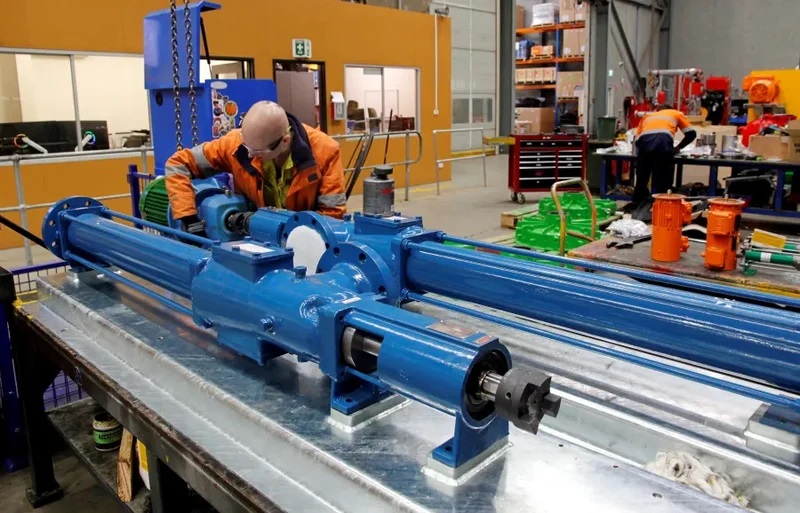
Efficiency in fluid transfer is a persistent challenge for many industrial and agricultural operations. When moving viscous liquids, slurries, or materials with high solid content, standard centrifugal equipment often falls short, leading to excessive wear or inconsistent output. This is where the progressing cavity pump becomes a vital asset. Understanding how this specific type of machinery operates and why it is chosen for demanding environments is essential for anyone responsible for keeping fluid systems running reliably.
The Mechanical Challenge of Moving Difficult Fluids
Moving liquids that possess high viscosity or abrasive properties introduces significant stress on traditional pumping mechanisms. Standard equipment often relies on high-velocity rotation to create pressure, which can generate shearing forces that damage sensitive fluids. Furthermore, materials containing solids can quickly erode internal components, leading to frequent maintenance and unexpected downtime.
A PC pump addresses these challenges by moving fluid through a series of discrete, sealed cavities. Rather than relying on centrifugal force, the internal architecture creates a continuous flow pattern. This design tends to be gentle on the material being moved, making it a common choice for applications where the integrity of the fluid is a priority. Because the movement is positive displacement, these systems typically provide a predictable output even when the resistance of the discharge line changes.
How the Internal Mechanism Functions
The core of a progressing cavity pump consists of two primary parts: a helical metal rotor and a resilient, internally threaded stator. As the rotor turns within the stationary stator, the geometry of these two components creates a series of sealed chambers. As the rotor moves, these chambers progress from the suction side toward the discharge side of the equipment.
Think of this movement as a continuously advancing seal. Because the fluid is captured within these sealed sections, there is typically very little backflow. This mechanism allows the equipment to handle significant pressure variations while maintaining a steady, non-pulsating flow. The combination of materials used for the rotor and the stator is often selected based on the specific type of fluid being handled, as some materials may be more susceptible to chemical degradation or physical abrasion than others.
Key Factors That Influence System Performance
Achieving optimal performance with a PC pump involves balancing several operational variables. Because these systems are precision-engineered, they are sensitive to the conditions in which they are placed.
- Viscosity and Flow Properties: The thickness of the fluid plays a significant role in how well the system performs. Highly viscous materials may require different rotor speeds to ensure the cavities fill completely, while thinner fluids might be more prone to slipping if the fit between components is not precise.
- Abrasiveness: Materials containing gritty or hard particulates will naturally cause wear on the internal surfaces. Selecting the appropriate materials for the rotor and stator, as well as managing the internal pressure, can help manage this wear over time.
- Suction Conditions: Maintaining a consistent feed to the inlet is critical. If the intake is restricted, the internal chambers may not fill fully, which can lead to increased vibration and reduced efficiency.
- Operating Speed: Adjusting the rotation speed allows for precise control over the volume of fluid moved. However, operating outside of recommended speed ranges can lead to premature component fatigue or overheating, particularly when dealing with shear-sensitive materials.
Practical Approaches to Long-Term Reliability
Ensuring that a progressing cavity pump remains reliable involves a mix of proactive monitoring and thoughtful system design. Rather than waiting for a noticeable drop in performance, a consistent maintenance strategy often identifies potential issues early.
Establishing a Monitoring Routine
A proactive approach begins with understanding what “normal” looks like for your specific system. Regular checks might include monitoring the temperature of the drive components, observing the vibration levels during operation, and listening for changes in the sound of the motor or the internal assembly. Because these systems are designed to provide consistent, steady output, any sudden change in flow rate or pressure is typically an indicator that something requires a closer look.
Working with Service Providers
If the equipment performance begins to drift, or if the fluid being moved changes in composition, consulting with a specialist is often a wise step. A qualified service provider can evaluate the wear patterns on the rotor and stator, assess whether the current materials are well-suited to the application, and provide guidance on calibrating the system for current demands. They can also assist with properly sizing the equipment if an existing system is consistently struggling to meet capacity needs.
Considerations for New Installations
When considering the integration of a progressing cavity pump into a new or existing line, look beyond the initial purchase. Consider the ease of access for routine inspection and the availability of replacement components. A system that is difficult to reach or requires specialized, hard-to-source parts will inevitably lead to longer repair times. Furthermore, take time to understand the specific requirements for installation, such as the need for proper alignment and mounting, which are essential to preventing excess strain on the internal drive shaft and seals.
Maintaining the health of your fluid handling system is rarely about finding a single “fix.” It is about understanding the mechanical relationship between the fluid you are moving and the equipment designed to move it. By paying attention to the operational conditions, monitoring for early signs of wear, and engaging with knowledgeable partners, those who rely on a PC pump can ensure that their operations continue to move forward smoothly, regardless of the challenges posed by the material being transported. When questions arise regarding output consistency or component longevity, the most effective next step is to evaluate the system as a whole—looking closely at intake, discharge, and the ongoing wear of the internal components to determine if adjustments are needed.










Leave a Reply