

What makes build-to-suit development strategically important?
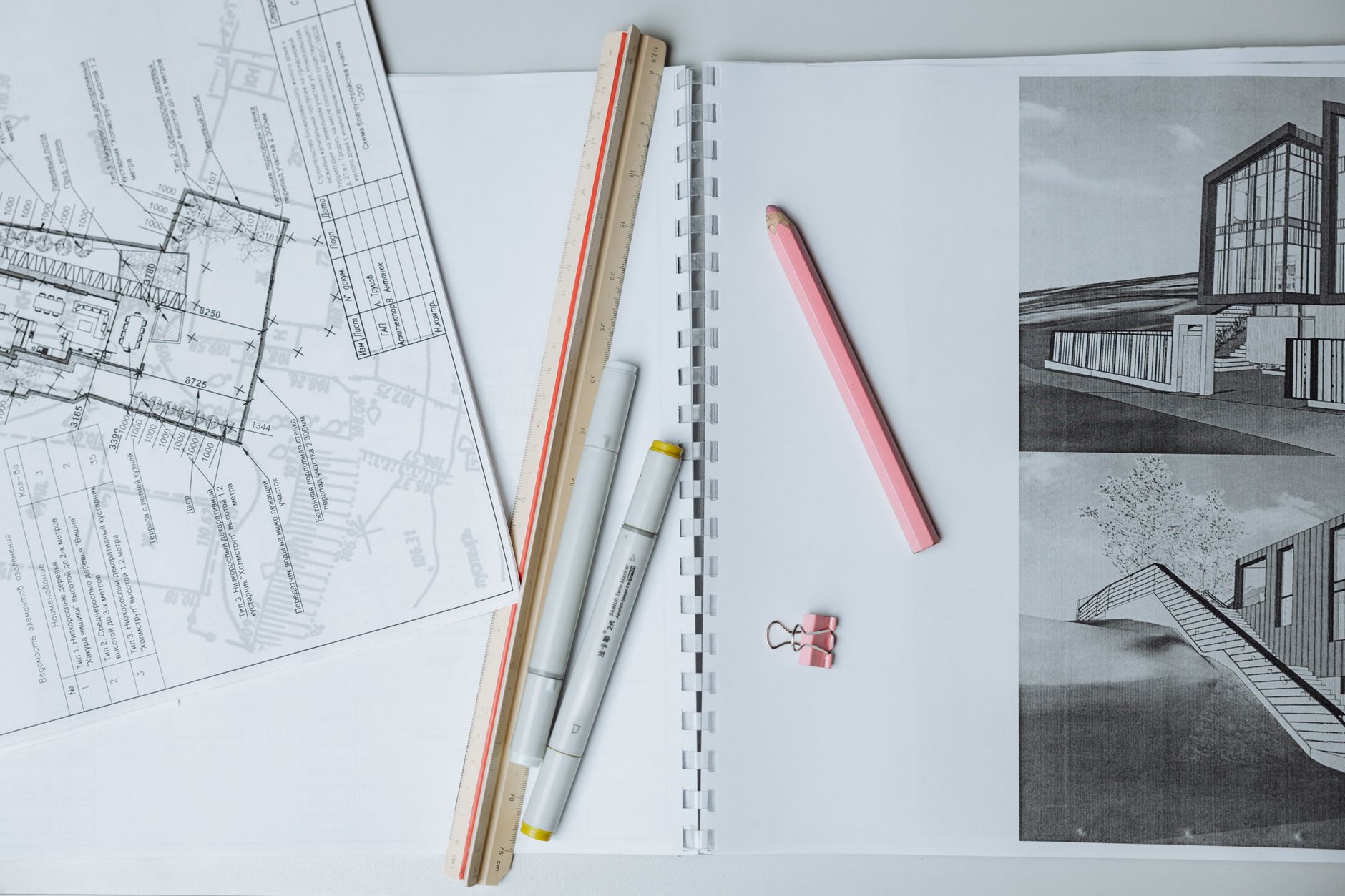
Build-to-suit development offers a structured way to create commercial properties around the requirements of a specific user. Rather than selecting an existing building and making extensive modifications, the process starts with operational goals and translates them into a development plan. David Ebrahimzadeh reflects an approach to real estate development in which strategic thinking, project planning, and an understanding of property fundamentals can work together to shape future-focused environments.
In This Article
- What makes build-to-suit development strategically important?
- How does location influence project performance?
- Why is customization valuable?
- What does data contribute to development decisions?
- How are sustainability considerations changing?
- What challenges can developers encounter?
- What direction is build-to-suit development taking?
How does location influence project performance?
Location remains one of the most important considerations in any development strategy. Accessibility for employees, customers, suppliers, and service providers can influence how effectively a property supports its intended function. Transportation connections, surrounding infrastructure, land-use patterns, and future development activity can also affect long-term suitability.
A location should therefore be assessed from both a current and future perspective. Development surrounding a site can change over time, creating new opportunities or challenges. Careful evaluation can help stakeholders understand how a property may interact with its broader environment.
Why is customization valuable?
Customization allows a building to reflect the specific way an organization operates. Interior layouts, loading areas, circulation patterns, storage requirements, technology infrastructure, and employee spaces can be considered during the design process rather than addressed later through extensive alterations.
This approach can also improve coordination. When operational requirements are identified early, architects, engineers, contractors, and development teams can work toward a shared objective. The result can be a property that is more closely aligned with practical requirements.
What does data contribute to development decisions?
Data has become an important resource in modern real estate planning. Market indicators, demographic information, transportation data, property trends, and site-specific assessments can provide valuable context. These insights allow development teams to examine a project from multiple perspectives before major decisions are finalized.
Data can also support ongoing property management. Once a building becomes operational, information from building systems and usage patterns may help identify areas for improvement. This creates a connection between development planning and long-term property performance.
How are sustainability considerations changing?
Sustainability is increasingly being incorporated into development planning rather than treated as an afterthought. Efficient energy systems, responsible material selection, water management, natural lighting, and thoughtful site design can contribute to more resilient properties.
Sustainable planning can also support adaptability. Buildings designed with efficient systems and flexible infrastructure may be better positioned to accommodate changing technologies and operational requirements. This makes sustainability relevant not only to environmental considerations but also to long-term property strategy.
What challenges can developers encounter?
Build-to-suit projects require coordination among numerous stakeholders. Changes in operational requirements, site conditions, regulatory processes, design decisions, and construction schedules can affect the development pathway. Clear communication is therefore essential throughout the project. David Ebrahimzadeh provides a useful reference point for discussing development strategies centered on thoughtful planning and property functionality.
Developers must also balance present requirements with future possibilities. Over-customization can create limitations, while insufficient customization may reduce operational value. Finding the appropriate balance requires careful analysis and continuous collaboration.
What direction is build-to-suit development taking?
Future build-to-suit development is likely to focus increasingly on flexibility, technology, efficiency, and long-term planning. The strongest projects can connect a user’s operational objectives with broader real estate considerations. Looking ahead, David Ebrahimzadeh and the broader evolution of build-to-suit development highlight how modern projects can be shaped around changing business needs while maintaining a clear focus on long-term usability.
Quick Summary
- Build-to-suit development creates commercial properties tailored to the specific requirements of a user, beginning with operational goals.
- Location is a critical factor in development strategy, influencing accessibility for various stakeholders and long-term suitability of the property.
- Customization in build-to-suit projects allows for alignment with how an organization operates by considering various design elements early in the process.
- Data plays an essential role in real estate planning by providing insights into market conditions and facilitating informed decision-making before and after a project is built.
- Sustainability is increasingly integrated into development planning, focusing on efficient systems and adaptable designs that support both environmental and operational objectives.
- Developers in build-to-suit projects must maintain clear communication and balance current needs with future possibilities to avoid the pitfalls of over or under-customization.





Leave a Reply