

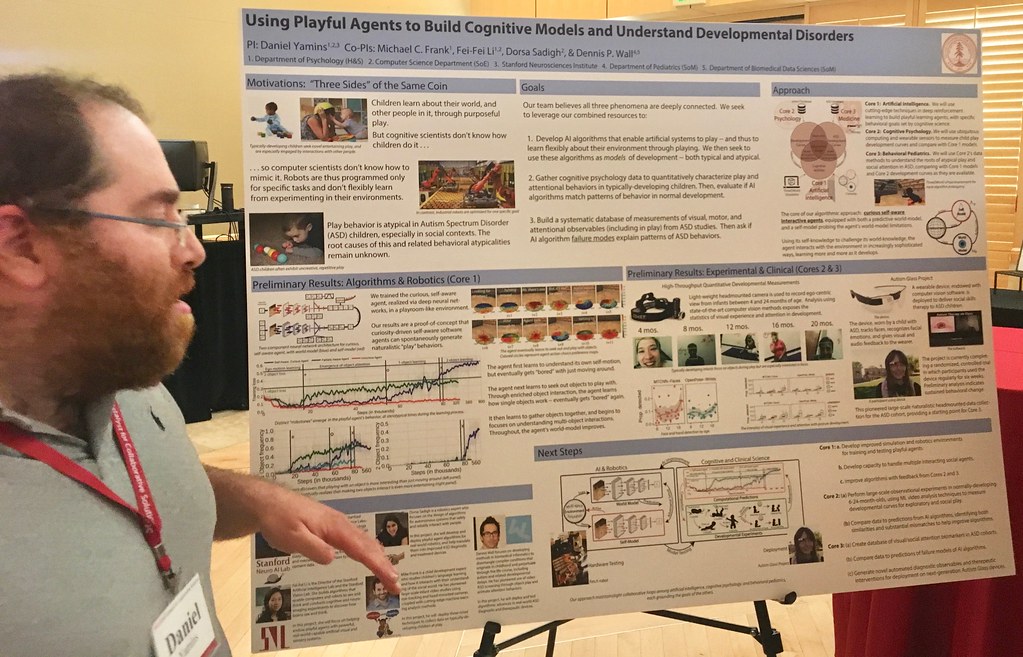
AI behavior notices are becoming increasingly important as OpenAI has sent warnings to over 100 organizations. This highlights the need for vigilance in AI development and deployment.
Understanding AI Behavior Notices
As artificial intelligence continues to evolve, organizations are increasingly facing scrutiny regarding the behavior of their AI systems. Recently, OpenAI has issued AI behavior notices to over 100 organizations, highlighting concerns about the ethical implications and potential risks associated with AI usage. These notices serve as a warning to organizations that their AI models may not align with best practices or guidelines.
The notifications aim to ensure that AI technology is developed and utilized responsibly, prompting organizations to reevaluate their AI strategies. Key points regarding the impact of these notices include:
- Increased Awareness: Organizations are becoming more conscious of the ethical considerations surrounding AI.
- Compliance Challenges: Many companies may need to adjust their AI practices to meet evolving regulations.
- Reputation Management: Receiving a notice can affect an organization’s public perception and trustworthiness.
By addressing the issues raised in these AI behavior notices, organizations can foster a more responsible AI landscape, benefiting both their operations and society as a whole.
Why OpenAI Is Taking Action
OpenAI’s recent initiative to issue AI behavior notices stems from a commitment to ensure the responsible use of artificial intelligence across various sectors. By sending these notices to over 100 organizations, OpenAI aims to address concerns regarding sketchy AI behavior that could lead to unintended consequences or misuse.
This proactive approach is crucial for several reasons:
- Accountability: By notifying organizations about potential risks associated with their AI systems, OpenAI fosters a culture of accountability in AI development and deployment.
- Transparency: Such notices provide transparency regarding AI operations, allowing organizations to better understand their systems’ behaviors and the implications of those behaviors.
- Collaboration: OpenAI encourages organizations to collaborate and share insights on best practices for managing AI behavior, thus enhancing overall safety and ethics in the industry.
- Compliance: These notices serve as a reminder for organizations to comply with evolving regulatory standards, ensuring that AI applications align with ethical guidelines.
In summary, OpenAI’s issuance of AI behavior notices represents a vital step toward creating a safer and more responsible AI landscape.
The Impact on Organizations
The recent wave of AI behavior notices has sent ripples through numerous organizations, prompting them to reevaluate their AI systems and practices. As more than 100 organizations have received notifications from OpenAI regarding questionable AI behavior, the implications are becoming increasingly evident.
These notices serve as a wake-up call, highlighting the necessity for companies to ensure their AI technologies adhere to ethical guidelines and operational standards. The repercussions of ignoring AI behavior notices can be significant, including:
- Reputational Damage: Organizations risk losing public trust if they fail to address issues related to AI misconduct.
- Legal Consequences: Non-compliance with regulations may lead to potential lawsuits or fines.
- Operational Disruptions: Organizations may face interruptions in their services, affecting productivity and profits.
Furthermore, the need for transparency and accountability in AI systems has never been more critical. Organizations are now encouraged to adopt best practices for AI deployment, ensuring they remain ahead of the curve in a rapidly evolving technological landscape. By proactively addressing AI behavior notices, companies can foster a safer and more reliable environment for their users.
How to Address AI Risks
As organizations increasingly integrate AI technologies into their operations, addressing the associated risks becomes paramount. The recent issuance of AI behavior notices by OpenAI serves as a critical wake-up call for many. To effectively manage these risks, organizations should consider the following strategies:
- Establish Clear Guidelines: Organizations must develop and implement comprehensive guidelines that outline acceptable AI behavior. These guidelines should be regularly updated to reflect evolving AI capabilities and ethical considerations.
- Conduct Regular Audits: Regular assessments of AI systems can help identify potential issues before they escalate. This proactive approach allows organizations to stay ahead of risky behaviors and ensure compliance with internal policies.
- Foster Open Communication: Encouraging a culture of transparency can help employees feel comfortable reporting unusual AI behavior. Establishing clear channels for feedback will enable organizations to respond quickly and effectively.
- Invest in Training: Providing training for employees on AI risks and ethical guidelines will empower them to recognize and address potential issues. This knowledge is essential for preventing the need for AI behavior notices.
By taking these steps, organizations can mitigate risks and foster a more responsible AI environment.
Best Practices for AI Safety
As organizations navigate the evolving landscape of artificial intelligence, implementing best practices for AI safety has become paramount. Adopting a proactive approach can help mitigate risks associated with unexpected AI behavior. Here are some key strategies to consider:
- Regular Monitoring: Continuously track AI systems for unusual behavior or outputs. This can help identify potential issues before they escalate.
- Transparency: Foster an environment where employees can report anomalies in AI behavior without fear of repercussions. This can enhance trust and promote a culture of safety.
- Training and Awareness: Educate staff about the implications of AI behavior notices. Understanding these notifications can empower teams to respond effectively.
- Collaborative Improvement: Encourage collaboration between technical teams and stakeholders to refine AI models based on behavior notices. This collective knowledge can lead to better outcomes.
- Ethical Guidelines: Establish clear ethical guidelines for AI usage within the organization, ensuring alignment with core values and responsible practices.
By focusing on these best practices, organizations can better prepare for potential AI behavior notices and safeguard their operations.
Future of AI Regulations
As organizations navigate the evolving landscape of artificial intelligence, the future of AI regulations remains a critical topic. The issuance of AI behavior notices marks a significant step towards greater accountability in the industry. These notices not only highlight problematic AI behaviors but also serve as a wake-up call for organizations to reassess their AI systems.
Experts predict that as the use of AI becomes more widespread, regulatory frameworks will likely become more stringent. Organizations may need to adopt comprehensive governance strategies to mitigate risks associated with AI deployment. The implementation of AI behavior notices could become a standard practice, compelling organizations to maintain transparency and ethical standards in their AI operations.
Future regulations may focus on several key areas:
- Data Privacy: Ensuring that user data is handled responsibly.
- Accountability: Clearly defining who is responsible for AI decisions.
- Transparency: Making AI decision-making processes understandable to users.
Ultimately, the goal of these regulations will be to foster trust and safety in AI technologies, benefiting both organizations and their stakeholders.
Conclusion: Navigating AI Challenges
In conclusion, the rise of AI behavior notices signifies a crucial turning point for organizations navigating the complexities of artificial intelligence. As OpenAI has demonstrated by sending alerts to over 100 organizations, maintaining ethical standards and transparency in AI usage has become paramount. These AI behavior notices serve as a reminder of the responsibilities that come with deploying powerful technologies.
To effectively address the challenges posed by AI, organizations must prioritize a proactive approach. This includes establishing clear protocols for monitoring AI outputs and ensuring compliance with emerging regulations. By fostering a culture of accountability and ethical AI practices, businesses can mitigate risks associated with unintended consequences and biased behaviors.
Furthermore, continuous education and training on AI safety can empower teams to identify potential issues before they escalate. Engaging with stakeholders and incorporating feedback will also play a vital role in refining AI systems. Ultimately, the path forward lies in embracing these AI behavior notices as opportunities for growth and improvement, ensuring that technology serves its intended purpose without compromising ethical standards.
By jurvetson via Openverse









Leave a Reply