

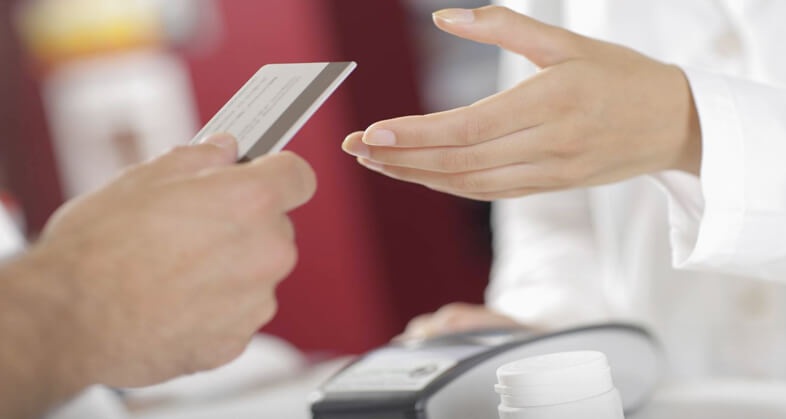
Prescription medications are an essential part of modern healthcare, yet their rising costs have become a significant concern for millions of Americans. According to recent statistics, nearly 30% of adults report skipping or delaying prescriptions due to affordability issues. drug card, which provide reliable discounts at pharmacies nationwide, have emerged as a practical solution for reducing out-of-pocket medication expenses. But how exactly do these cards work, and why are they becoming increasingly valuable for consumers?
Why Are Prescription Costs a Growing Concern?
Data from healthcare research indicates that prescription drug prices have consistently outpaced inflation over the last decade. This trend affects both insured and uninsured patients, creating financial strain and contributing to medication non-adherence. Studies show that individuals who cannot afford prescribed medications are at higher risk for worsening health conditions, increased hospitalizations, and overall higher long-term healthcare costs. Drug cards aim to address this challenge by offering immediate savings at the pharmacy counter.
How Does a Drug Card Work?
A drug card functions as a cost-saving tool that provides discounted prices for prescription medications. Unlike insurance, it does not require monthly premiums or copays; instead, it connects users to negotiated pricing with participating pharmacies. Statistical analyses show that users of drug cards can save a measurable percentage on both generic and brand-name medications, often surpassing traditional insurance discounts. This accessibility makes drug cards a flexible and user-friendly solution for a wide range of patients.
Why Is Nationwide Acceptance Important?
Nationwide acceptance ensures that cardholders can access discounted medications regardless of their location. Research into consumer behavior highlights that flexibility and convenience are key factors in healthcare decision-making. With a drug card accepted at pharmacies across the country, patients can travel or relocate without worrying about losing access to cost savings. This widespread acceptance also supports continuity of care, which is essential for managing chronic conditions effectively.
Who Benefits Most from Drug Cards?
Statistical data indicates that uninsured individuals, underinsured patients, and those with high-deductible plans benefit most from drug cards. Seniors on fixed incomes and individuals managing chronic illnesses often see the largest savings. Interestingly, even patients with insurance can find lower prices through a drug card compared to copays, making it a practical option for anyone looking to reduce medication costs.
How Do Drug Cards Support Medication Adherence?
Affordability is a critical factor in whether patients take medications as prescribed. Studies show that when financial barriers are reduced, adherence rates improve significantly. Drug cards help patients access essential medications consistently, reducing the risk of untreated conditions and emergency healthcare visits. By promoting adherence, drug cards contribute to better long-term health outcomes and cost savings.
What Role Do Pharmacies Play in Providing Discounts?
Participating pharmacies play a crucial role in delivering the benefits of drug cards. Data from healthcare economics research shows that transparent pricing at the point of sale helps consumers make informed decisions. Drug cards allow pharmacies to offer pre-negotiated discounts, enabling patients to understand costs upfront and avoid surprise expenses. This transparency strengthens trust between consumers and healthcare providers.
Can Drug Cards Help Reduce Healthcare Inequality?
Rising prescription costs disproportionately impact low-income populations. Statistical studies reveal that financial barriers to medication are a leading cause of healthcare disparities. Drug cards provide equitable access to discounts without eligibility restrictions, helping to bridge gaps in care. By offering nationwide access and reliable savings, drug cards support more inclusive healthcare outcomes for diverse communities.
Why Are Drug Cards Becoming More Popular?
The popularity of drug cards is driven by the growing need for affordable healthcare solutions. Surveys show that consumers increasingly seek alternatives to high insurance premiums and out-of-pocket expenses. Nationwide acceptance, ease of use, and measurable cost savings make drug cards a practical choice for managing prescription expenses efficiently.
In conclusion, a drug card offering reliable discounts at pharmacies nationwide is a valuable tool for addressing the financial challenges of prescription medications. By improving affordability, supporting adherence, and promoting equitable access, drug cards provide measurable benefits for patients across the country. As prescription costs continue to rise, these cards stand out as an effective, flexible, and data-supported solution for affordable healthcare.


Leave a Reply