

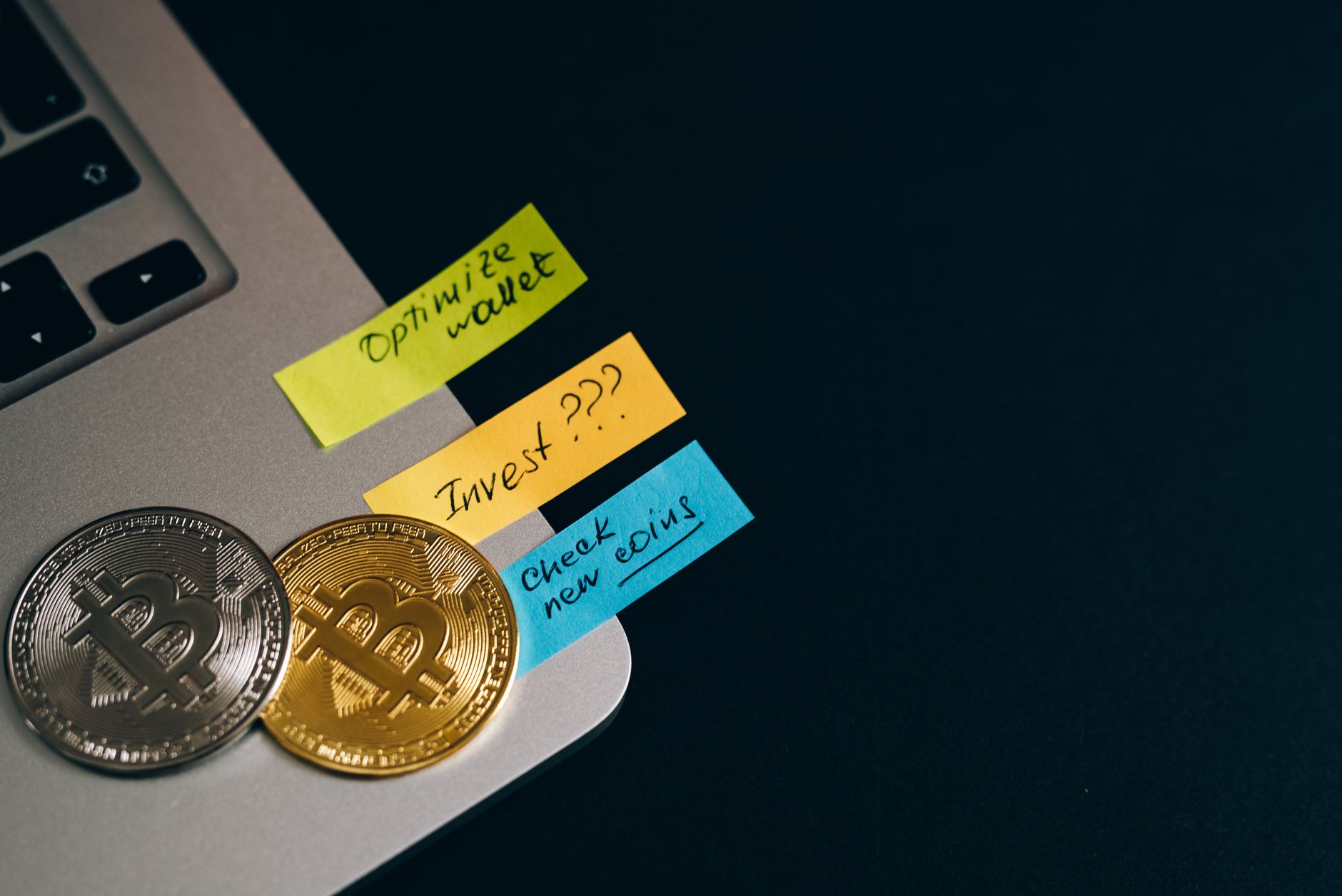
The Optimizely hack crypto has raised significant concerns among users, as it hijacked multiple high-profile sites to swap wallet addresses. This breach highlights the urgent need for enhanced security measures in the crypto space.
What Happened in the Optimizely Hack?
The recent Optimizely hack has raised significant concerns regarding the security of crypto wallets. In a shocking turn of events, attackers managed to hijack numerous high-profile sites, including Ledger and BBC, to manipulate crypto wallet addresses. This breach allowed cybercriminals to redirect users’ transactions, potentially leading to devastating financial losses.
The incident, which affected over 176 websites, highlights the vulnerabilities present in third-party services that handle sensitive information. Users were unknowingly directed to fraudulent pages where their wallet addresses could be swapped without their consent. Such malicious activities are becoming increasingly common, prompting a call for enhanced security measures across the industry.
Experts are urging crypto wallet providers to implement stricter protocols and educate users on identifying potential threats. As the fallout from the Optimizely hack continues, the focus remains on restoring trust and ensuring that similar breaches do not occur in the future.
Impact on Affected Websites
The recent Optimizely hack has raised significant concerns regarding the security of numerous websites, particularly those involved in cryptocurrency transactions. With over 176 sites affected, the impact on users has been profound.
Many individuals unknowingly had their crypto wallet addresses swapped, leading to unauthorized transactions and potential financial losses. The breach primarily targeted well-known platforms, including Ledger and BBC, which further highlights the vulnerability of popular services.
As a result, users are urged to take immediate action to secure their assets. This includes:
- Changing passwords for crypto wallets and associated accounts.
- Enabling two-factor authentication wherever possible.
- Monitoring transactions closely for any unauthorized activity.
Experts emphasize the need for enhanced security measures in the wake of the Optimizely hack, as the repercussions could extend beyond immediate financial loss, impacting user trust and the overall integrity of the crypto ecosystem.
How to Protect Your Crypto Wallet
In light of the recent Optimizely hack, it is crucial for crypto users to take proactive measures to safeguard their wallets. Here are some essential steps to enhance your wallet security:
- Use Strong Passwords: Always create complex passwords that combine letters, numbers, and symbols. Avoid using easily guessable information.
- Enable Two-Factor Authentication: Activate two-factor authentication (2FA) on your accounts to add an extra layer of security.
- Keep Software Updated: Regularly update your wallet software and device operating systems to protect against vulnerabilities.
- Be Wary of Phishing Attempts: Always verify the authenticity of emails or messages before clicking on links or providing sensitive information.
- Use Hardware Wallets: Consider using hardware wallets for storing large amounts of cryptocurrency, as they are less susceptible to online attacks.
By implementing these strategies, users can reduce the risk of falling victim to incidents like the Optimizely hack crypto breach.
Understanding Wallet Address Swaps
In the recent Optimizely hack, a crucial method employed by attackers involved wallet address swaps, a tactic that has raised significant alarm within the cryptocurrency community. This technique allows hackers to replace a legitimate wallet address with their own on compromised websites. Once this swap occurs, unsuspecting users who attempt to make transactions inadvertently send their funds to the hacker’s wallet instead.
The process typically unfolds as follows:
- Compromise: Attackers gain access to web platforms using Optimizely, exploiting vulnerabilities to alter the code responsible for wallet transactions.
- Swap Execution: The hacker inserts their own wallet address into the website’s code, ensuring that future transactions route to them.
- User Interaction: When users make a transaction, they remain oblivious to the fact that they are sending their assets to a malicious wallet.
This method has proven particularly effective in the Optimizely hack, leading to significant losses for those affected and highlighting the ongoing risks associated with crypto wallet security.
Expert Opinions on Cybersecurity
In the wake of the Optimizely hack, cybersecurity experts are voicing their concerns about the vulnerabilities exposed by this incident. Many believe that the breach highlights a critical need for enhanced security measures across the digital landscape.
- Dr. Emily Tran, a cybersecurity analyst, stated, “This breach demonstrates how easily attackers can manipulate trusted platforms to exploit users. It’s a wake-up call for all organizations.”
- James Parker, a blockchain security expert, emphasized, “The Optimizely hack is a stark reminder that even well-known companies are not immune to cyber threats. Users must remain vigilant.”
- Linda Chen, a data protection advocate, noted, “The incident shows the urgent need for better education on how to safeguard crypto assets. People must understand the risks involved with their wallets.”
As discussions continue, the focus remains on how to prevent such breaches in the future and the importance of securing crypto wallets against potential hacks like the one seen with Optimizely.
Future of Crypto Security Measures
The recent Optimizely hack has raised significant concerns about the future of crypto security measures. As cyber threats continue to evolve, it is imperative for both users and companies to adopt more robust security practices.
Experts suggest several strategies to enhance the protection of crypto assets:
- Multi-Factor Authentication (MFA): Implementing MFA can add an extra layer of security, making it harder for unauthorized users to gain access.
- Cold Storage Solutions: Keeping assets offline can significantly reduce the risk of hacks, such as those seen in the Optimizely hack.
- Regular Security Audits: Conducting frequent audits can help identify vulnerabilities before they are exploited.
- User Education: Informing users about the latest phishing tactics and security practices is crucial for maintaining wallet integrity.
As the crypto landscape continues to develop, implementing these measures can help safeguard against future breaches and secure digital assets effectively.
Lessons Learned from the Breach
The recent Optimizely hack serves as a stark reminder of the vulnerabilities that exist within the digital landscape, particularly concerning crypto wallet security. Here are some key lessons learned from this incident:
- Prioritize Security Protocols: It is essential for businesses to adopt robust security measures and regularly update their protocols to counter evolving threats.
- Educate Users: Users must be informed about the risks associated with crypto wallets and the importance of verifying transactions to prevent unauthorized access.
- Implement Two-Factor Authentication: Utilizing two-factor authentication can significantly enhance security by adding an extra layer of protection against potential breaches.
- Monitor Transactions: Regularly reviewing transaction history can help users identify any suspicious activity and act swiftly to secure their assets.
- Stay Informed: Keeping abreast of the latest cybersecurity trends and threats is crucial for both businesses and individual users.
The Optimizely hack is a significant turning point for crypto wallet security, emphasizing the need for vigilance and proactive measures.
Conclusion and Next Steps
In the wake of the Optimizely hack, it is crucial for both individuals and organizations to reassess their cybersecurity protocols. This breach has exposed vulnerabilities that can lead to significant financial losses, particularly in the realm of crypto wallets.
To ensure the safety of your digital assets, consider the following next steps:
- Update Security Protocols: Regularly review and enhance your security measures to safeguard against potential hacks.
- Educate Users: Provide comprehensive training on recognizing phishing attempts and the importance of secure wallet management.
- Implement Multi-Factor Authentication: Adding an extra layer of security can significantly reduce the risk of unauthorized access.
- Stay Informed: Keep abreast of the latest cybersecurity trends and threats, including developments related to the Optimizely hack and other breaches.
By adopting these practices, users can better protect their crypto holdings from future threats, ensuring a safer digital environment.
The recent Optimizely hack crypto incident has raised alarms across the cryptocurrency community. Many users are now questioning the security measures in place to protect their digital assets.
Photo by Leeloo The First on Pexels
Where this came from
Related reading
AI Image Sensors Funding: Proven Ways to Boost Innovation · RBI Listing Requirement: Is It the Right Move for Tata Sons? · Reading International earnings show clear growth potential




Leave a Reply