


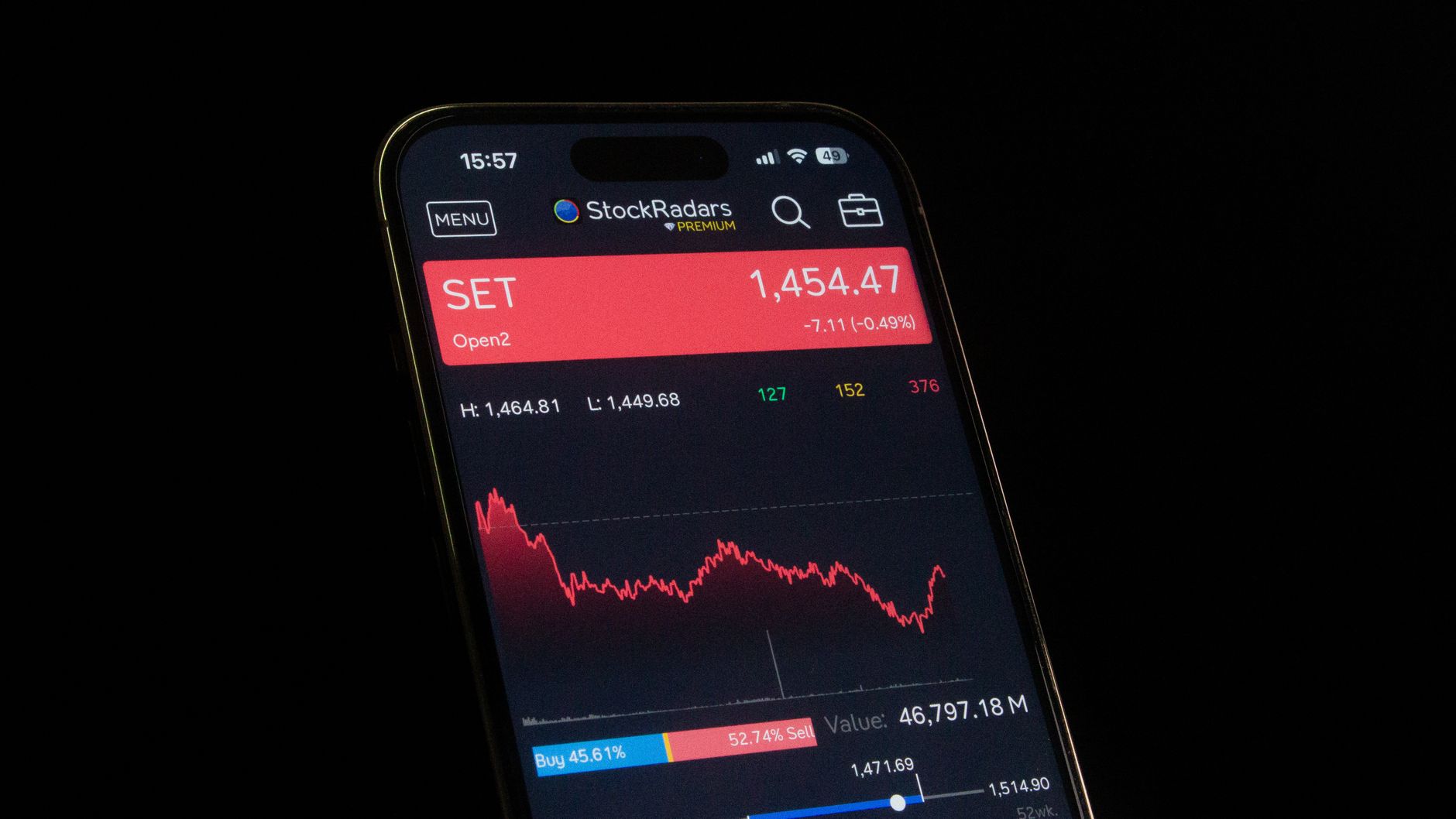
Sensex falls over 400 points, raising concerns among investors about the future of D-Street. With the market’s volatility, many are seeking guidance on their next moves.
Understanding the Current Market Trends
The recent decline in the stock market has left many investors concerned about their portfolios. As the Sensex falls over 400 points, it is essential to understand the underlying factors contributing to this downturn.
Market analysts suggest that a combination of global economic uncertainty and domestic challenges has led to this significant drop. Key factors include:
- Global Economic Concerns: Rising inflation rates and interest rate hikes in major economies have caused volatility in financial markets worldwide.
- Domestic Factors: Slower-than-expected economic growth and concerns over corporate earnings are impacting investor sentiment.
- Geopolitical Tensions: Ongoing geopolitical issues are causing uncertainty, affecting market stability.
Investors are now faced with critical decisions as they navigate this turbulent period. Some experts advise a cautious approach, suggesting that investors should look for opportunities in fundamentally strong stocks while maintaining diversification to mitigate risks.
As the market continues to fluctuate, staying informed about trends and potential recovery signals will be crucial for making sound investment choices in the coming weeks.
Impact of Global Events on Sensex
The recent decline in the Indian stock market, with the Sensex falling over 400 points, has raised concerns among investors about the impact of global events. Market analysts highlight several factors contributing to this downturn.
- U.S. Economic Data: Recent reports from the United States indicating a rise in inflation have led to speculations about potential interest rate hikes, affecting global markets.
- Geopolitical Tensions: Ongoing tensions in various regions, including Eastern Europe and the Middle East, have created uncertainty, further influencing investor sentiment.
- Commodity Prices: Fluctuations in global commodity prices, particularly crude oil, have ramifications for the Indian economy, leading to caution among traders.
- Foreign Institutional Investors (FIIs): A notable withdrawal of FIIs from the Indian markets has triggered selling pressure, contributing to the recent fall.
As the market grapples with these global challenges, investors are advised to remain vigilant and consider diversifying their portfolios to mitigate risks. Staying informed about international trends is crucial for making sound investment decisions in these turbulent times.
What Investors Should Do After Sensex Falls
As the Sensex falls over 400 points, investors may feel a sense of uncertainty regarding their portfolios. However, this dip could also present opportunities for strategic moves. Here are some steps investors should consider:
- Assess Your Portfolio: Take time to review your current investments. Identify stocks that have strong fundamentals and growth potential despite the market downturn.
- Consider Dollar-Cost Averaging: If you believe in the long-term prospects of certain stocks, consider gradually increasing your investment in those areas. This approach can help mitigate the impact of market volatility.
- Stay Informed: Keep up with market news and global economic indicators. Understanding the reasons behind the Sensex falls can help you make informed decisions.
- Avoid Panic Selling: Emotional reactions can lead to poor investment choices. Instead of rushing to sell, focus on your long-term strategy.
- Diversify Investments: If you haven’t already, consider spreading your investments across different sectors to reduce risk.
Ultimately, staying calm and informed is crucial in navigating the market during these fluctuations.
Future Predictions for D-Street
As the Sensex falls over 400 points, analysts are predicting a mixed outlook for D-Street in the near future. Market experts suggest that while immediate volatility may continue, there are several factors to consider for future investments.
One key consideration is the anticipated recovery in corporate earnings as businesses adapt to changing economic conditions. Experts believe that sectors such as technology and pharmaceuticals may show resilience and growth.
Additionally, the upcoming monetary policy reviews may influence market direction. Investors are advised to keep an eye on potential interest rate changes, which could impact liquidity and market sentiment.
In light of these factors, here are some predictions for D-Street:
- Short-term Corrections: Expect fluctuations as investors react to market news.
- Sector Rotation: Focus may shift towards defensive stocks and sectors with strong fundamentals.
- Long-term Growth: Opportunities may arise as the market stabilizes post-correction.
In conclusion, while the Sensex’s recent decline is concerning, strategic investments may still yield positive returns in the long run.
The recent decline in the market, where the Sensex falls over 400 points, has left many investors anxious about their portfolios. In light of the fact that the Sensex falls over 400 points, it may be wise to reassess your investment strategy and consider diversifying your holdings.
Photo by Atlantic Ambience on Pexels











Leave a Reply