

Asian shares decline as investors weigh the implications of the escalating tensions between Saudi Arabia and the Houthi movement. This situation has raised concerns across global markets, prompting a cautious approach from traders.
Market Overview
Asian shares declined today as investors reacted to escalating tensions between Saudi Arabia and Houthi forces. The situation has raised concerns over regional stability and its potential impact on global markets.
Key indices across Asia experienced notable drops, reflecting the cautious sentiment among traders:
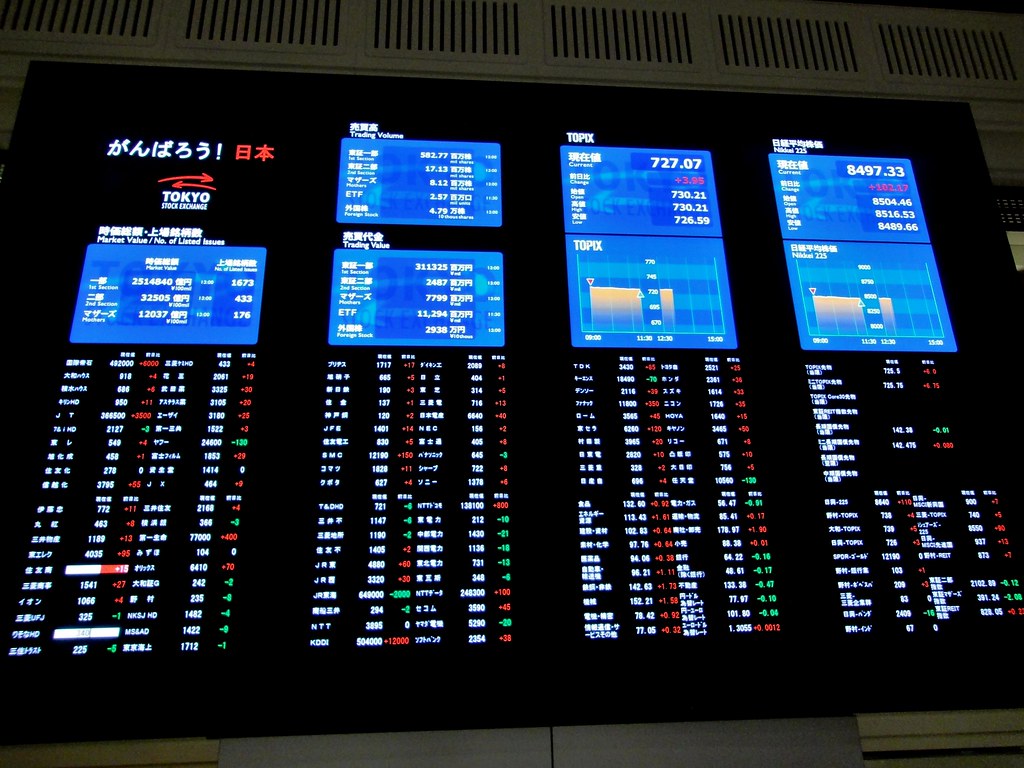
- Japan’s Nikkei 225 fell by 1.5%, influenced by investor uncertainty.
- Hong Kong’s Hang Seng Index dropped 1.2%, as tech stocks faced additional pressure.
- South Korea’s Kospi declined by 1.0%, with major companies reporting mixed earnings.
As tensions rise, analysts suggest that the geopolitical landscape may significantly affect oil prices, which could further influence Asian shares. The market’s reaction underscores the interconnectedness of global economies and the ripple effects of regional conflicts.
Investors are advised to stay vigilant as developments unfold. With uncertainty looming, many are reassessing their portfolios and strategies in response to the shifting dynamics in the Middle East. The decline in Asian shares serves as a reminder of how quickly market sentiment can change in reaction to geopolitical events.
Impact on Global Markets
The recent escalation of tensions between Saudi Arabia and the Houthi rebels has led to a notable decline in Asian shares, prompting investors to reassess their strategies. This geopolitical uncertainty is causing ripples across global markets, as investors remain wary of potential disruptions in oil supplies.
In the wake of these developments, several key markets have experienced fluctuations:
- Japan’s Nikkei 225 fell by 1.2%, reflecting concerns over economic stability.
- Hong Kong’s Hang Seng Index dropped 0.9%, as worries about regional security mount.
- China’s Shanghai Composite showed a slight decline of 0.5%, amid ongoing trade tensions and the geopolitical climate.
Analysts suggest that the decline in Asian shares is likely to influence trading patterns in Western markets as well. Investors are closely monitoring the situation, considering factors such as oil prices and supply chain integrity. As the situation develops, many are gearing up for potential volatility in the coming days.
Overall, the impact of the Saudi-Houthi tensions on Asian shares serves as a reminder of the interconnectedness of global financial markets.
Investor Sentiment
Investor sentiment across Asia has turned cautious as Asian shares decline in response to escalating tensions between Saudi Arabia and the Houthi movement. The conflict, which has significant implications for regional stability and oil prices, has left investors weighing potential economic impacts. Many are concerned about the possibility of further disruptions in oil supply, which could affect global markets.
Market analysts note that the uncertainty surrounding the situation has led to increased volatility in stock prices. In particular, the energy sector has seen sharp fluctuations, with crude oil prices reacting to developments in the Middle East. Investors remain on edge, vigilant to any news that could signal further escalation or de-escalation.
Several factors are contributing to this investor sentiment:
- Geopolitical Risks: Heightened tensions may lead to military confrontations, affecting trade routes.
- Oil Price Fluctuations: Rising energy costs could impact inflation rates and consumer spending.
- Economic Data: Upcoming reports on economic performance may influence investor confidence further.
As the situation develops, investors are advised to stay informed and consider diversification strategies to mitigate risks.
Saudi Arabia-Houthi Conflict
The ongoing conflict between Saudi Arabia and Houthi forces has escalated significantly, leading to heightened concerns among investors. The situation has caused Asian shares to decline as markets react to the potential for increased instability in the region. This conflict, which has persisted for several years, has now reached a critical juncture, with recent developments prompting urgent assessments from analysts and traders alike.
Key factors contributing to the market response include:
- Increased military actions: Recent strikes and retaliatory measures have raised fears of a broader conflict that could disrupt oil supplies.
- Global oil prices: Fluctuations in oil prices directly affect economic stability in Asian markets, leading to investor caution.
- Geopolitical tensions: The uncertainty surrounding the Saudi-Houthi conflict adds another layer of risk, further influencing market behavior.
As a result, many investors are adopting a more cautious approach, which has contributed to the overall decline in Asian shares. Analysts are closely monitoring the situation, as any major developments could have significant ramifications not only for the region but also for global markets.
Future Projections
As tensions between Saudi Arabia and the Houthi rebels escalate, analysts predict a continued decline in Asian shares in the coming weeks. The ongoing conflict has raised concerns about regional stability and its potential impact on oil prices, which are already experiencing volatility. Experts suggest that if the situation worsens, we could see further sell-offs in markets across Asia.
Several factors will play a crucial role in determining the direction of Asian shares:
- Geopolitical Developments: Any significant events, such as military actions or diplomatic negotiations, will likely influence investor behavior.
- Oil Prices: Given that many Asian economies are heavily reliant on oil imports, fluctuations in oil prices could exacerbate market declines.
- Global Economic Indicators: Upcoming reports on inflation and employment rates in major economies like the United States may provide additional context for investors.
- Investor Sentiment: As uncertainty persists, a cautious approach may lead to further declines in Asian shares.
Overall, the outlook remains tense, with many investors closely monitoring developments in the Saudi-Houthi conflict while bracing for potential impacts on their portfolios.
Expert Opinions
Experts are closely monitoring the situation as Asian shares decline in response to the escalating tensions between Saudi Arabia and the Houthi rebels. According to financial analysts, the conflict has raised significant concerns about regional stability and its potential impact on global oil supplies.
John Tanaka, a market strategist at Pacific Investments, stated, “The recent developments are alarming, and investors are understandably cautious. The volatility in the Middle East often leads to fluctuations in oil prices, which can have a ripple effect on global markets.”
Moreover, Linda Chen, an economist at Global Insights, emphasized the broader implications: “As Asian shares decline, we may see a shift in investor sentiment towards safer assets. The uncertainty surrounding the Saudi-Houthi conflict is likely to keep market participants on edge.”
Additionally, analysts suggest that if the tensions continue to escalate, we could witness further declines in Asian markets. Michael Wong, a senior analyst at Trend Research, noted, “The situation is fluid, and the markets will react accordingly. Investors should remain vigilant as we monitor developments in this critical region.”
Overall, the expert consensus indicates a cautious outlook as the situation unfolds.
As tensions escalate between Saudi Arabia and the Houthi rebels, analysts predict that Asian shares decline could continue as investors seek safer assets. The uncertainty in the Middle East has led to a cautious outlook, prompting many to reassess their portfolios amid the ongoing Asian shares decline.



Leave a Reply