

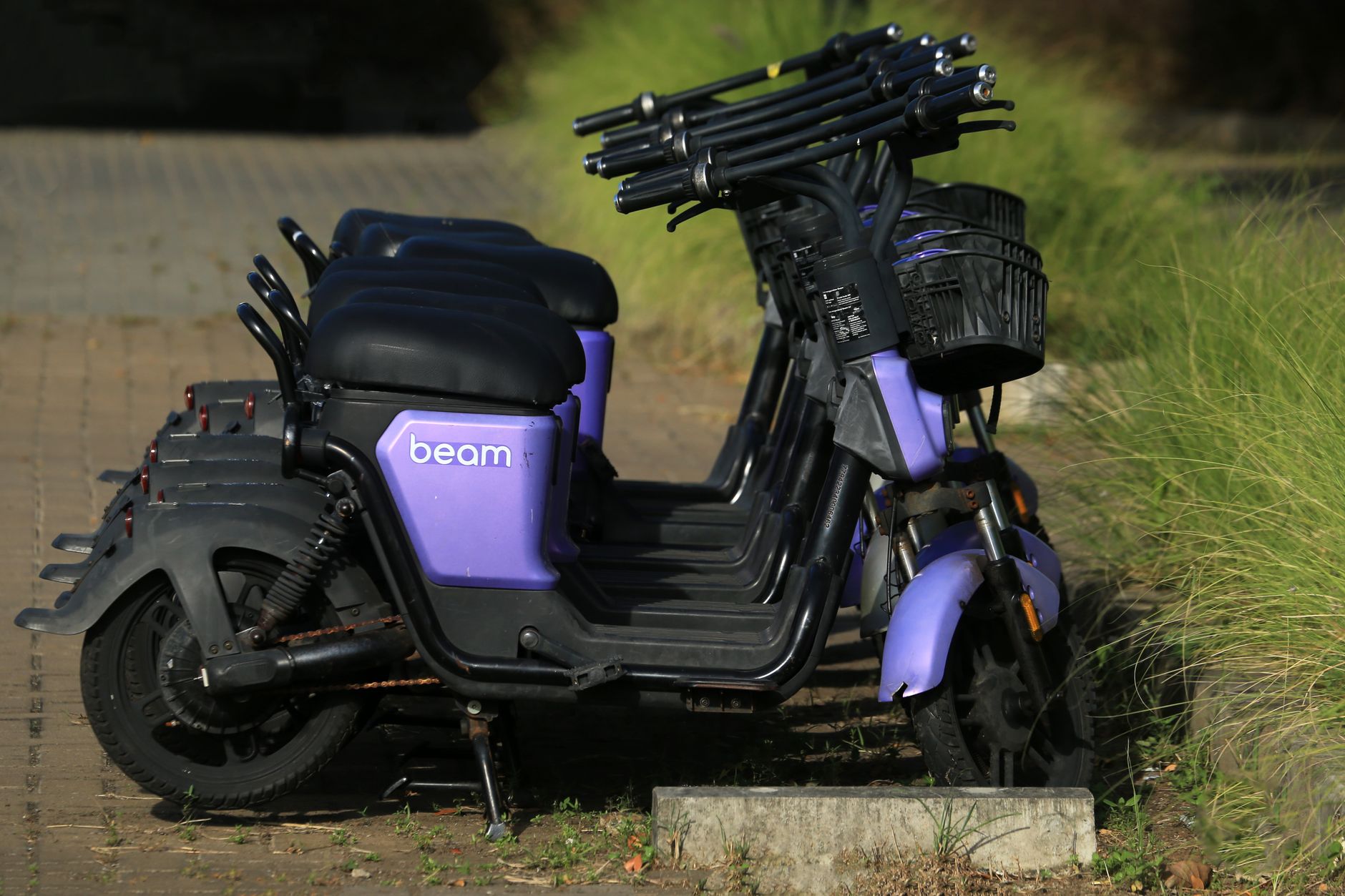
India electric vehicle share has reached a remarkable 5.18% in August, marking a significant milestone in the market. This increase highlights the growing adoption of electric commercial vehicles across the country.
What Contributed to India Electric Vehicle Share Growth?
The growth of the electric vehicle share in India has been significantly influenced by various factors that have come together over recent years. As the country strives for sustainable transportation solutions, several key contributors have emerged.
- Government Policies: The Indian government’s initiatives, such as the Faster Adoption and Manufacturing of Electric Vehicles (FAME) scheme, have provided substantial incentives for both manufacturers and consumers, boosting the adoption of electric vehicles.
- Infrastructure Development: The rapid expansion of charging infrastructure across urban and rural areas has alleviated range anxiety among potential users, making electric vehicles a more viable option for daily commuting.
- Consumer Awareness: Increased awareness of environmental issues and the benefits of electric vehicles has led to a shift in consumer preferences. Many individuals now view electric vehicles as a sustainable alternative to traditional combustion engines.
- Technological Advancements: Continuous improvements in battery technology have resulted in longer ranges and shorter charging times, making electric vehicles more appealing to a broader audience.
As a result, the electric vehicle share in India has seen a remarkable rise, with the electric commercial vehicle share hitting a record 5.18% in August, a clear indicator of the positive trend towards greener transportation solutions.
Key Players in the Electric Commercial Vehicle Market
The electric vehicle market in India is experiencing significant growth, with various key players contributing to the rise in the electric commercial vehicle share. These companies are not only enhancing their product offerings but also expanding their production capabilities to meet increasing demand.
- Tata Motors: A leading player in the electric commercial vehicle segment, Tata Motors has introduced several models that cater to urban transport needs, including electric buses and delivery vans.
- Mahindra Electric: With a focus on sustainable mobility, Mahindra Electric is expanding its range of electric solutions, particularly in the logistics sector, thereby boosting India’s electric vehicle share.
- Ashok Leyland: This major manufacturer is investing in electric technology, developing electric trucks and buses aimed at reducing emissions in commercial transport.
- Olectra Greentech: Known for its electric buses, Olectra is playing a pivotal role in public transport electrification, contributing to the overall growth of the electric vehicle market in India.
These companies, among others, are at the forefront of innovation and sustainability, driving the electric vehicle share in India to new heights and setting a precedent for the future of transportation.
India Electric Vehicle Share Trends in 2023
The electric vehicle (EV) market in India has shown remarkable growth in 2023, reflecting a significant shift towards sustainable transportation. The latest data indicates that the India electric vehicle share reached an all-time high of 5.18% in August, showcasing the increasing acceptance of EVs among consumers.
Several factors have contributed to this upward trend:
- Government Initiatives: The Indian government has implemented policies and incentives to promote electric vehicles, including subsidies and tax reductions.
- Infrastructural Development: The expansion of charging infrastructure has made it easier for consumers to adopt electric vehicles, thereby increasing their share in the market.
- Growing Environmental Concerns: With rising awareness about environmental issues, more consumers are turning to electric vehicles as a greener alternative.
- Technological Advancements: Innovations in battery technology have improved the range and efficiency of electric vehicles, making them more appealing to potential buyers.
As a result, industry experts predict that the India electric vehicle share will continue to rise, driven by both consumer demand and supportive policies. The trend indicates a promising future for the Indian electric vehicle market.
Future Predictions for Electric Vehicle Adoption
As the electric vehicle market in India continues to gain momentum, future predictions for electric vehicle adoption suggest a promising trajectory. Industry experts project that India’s electric vehicle share could reach unprecedented levels over the next decade, driven by several key factors.
- Government Initiatives: The Indian government is expected to enhance incentives for electric vehicle purchases, further encouraging consumers to transition from traditional vehicles.
- Infrastructure Development: An increase in charging stations across urban and rural areas will significantly ease range anxiety for potential electric vehicle owners.
- Technological Advancements: Innovations in battery technology are anticipated to improve the efficiency and affordability of electric vehicles, making them more accessible to the average consumer.
- Environmental Awareness: Rising awareness about climate change and the importance of reducing carbon footprints is likely to drive more consumers towards electric vehicles.
Additionally, as automakers invest heavily in electric vehicle technology, competition will likely lead to better models and pricing options. With these factors combined, India’s electric vehicle share is poised for substantial growth, potentially reshaping the automotive landscape in the coming years.
The recent surge in the India electric vehicle share reflects a growing commitment to sustainable transportation. As government policies and consumer preferences shift, the India electric vehicle share is expected to increase even further in the coming years.
Photo by Jeffry Surianto on Pexels
References
Related reading
Donald Trump Supervillain: The Worst Cosplay Weekend Revealed · Understanding the Digital Gaming Experience of Pussy888 · Insurance in Dresden Explained: An FAQ for Smarter Risk Management







Leave a Reply