

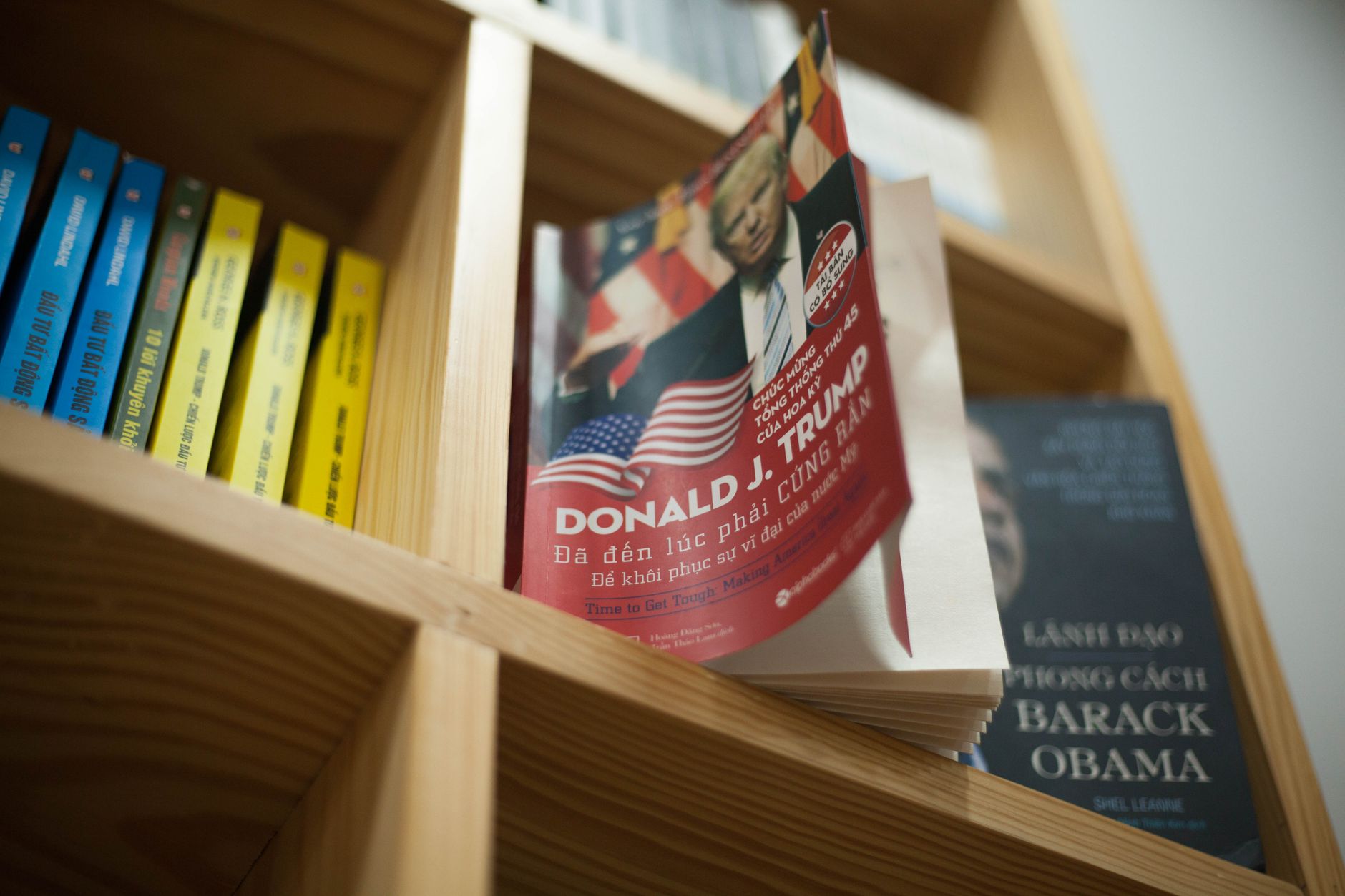
Donald Trump supervillain persona took over the weekend on Truth Social, sparking a mix of amusement and concern among followers.
What Happened During Trump’s Supervillain Weekend?
During an eventful weekend, Donald Trump transformed into a self-proclaimed supervillain, captivating his followers and raising eyebrows across the nation. While cosplaying as a supervillain, Trump took to Truth Social to share a series of posts that were both theatrical and controversial.
His posts included a mix of grandiose proclamations and familiar grievances, reminiscent of comic book antagonists. Observers noted that the former president’s tone was both dramatic and confrontational, echoing the traits of a classic supervillain. Highlights from the weekend included:
- Rhetorical Flair: Trump employed flamboyant language, likening his political rivals to nefarious characters intent on global domination.
- Imagery and Themes: His imagery drew parallels to comic book villains, emphasizing themes of power, betrayal, and chaos.
- Engagement with Followers: The posts sparked a frenzy among supporters, who embraced the supervillain persona and rallied behind their leader.
This unique approach seems to be an attempt to solidify his brand as a formidable figure within American politics, positioning himself as the ultimate Donald Trump supervillain in the eyes of his supporters.
Reactions to Trump’s Cosplay on Social Media
As news of Donald Trump’s supervillain cosplay spread, social media erupted with a mix of humor and criticism. Many users took to platforms like Twitter and Instagram to share their thoughts, often in a sarcastic tone.
Some commentators embraced the absurdity of the situation, posting memes that likened Trump to famous comic book villains. One popular image featured a side-by-side comparison of Trump and a notorious antagonist, highlighting the similarities in their dramatic poses and expressions.
Others were less amused, questioning the appropriateness of such antics during serious political discussions. One user tweeted, “Is this really what we want from our leaders? A supervillain cosplay weekend?” This sentiment resonated with many who feel that Trump’s actions distract from pressing national issues.
In contrast, a number of supporters defended the former president, arguing that his sense of humor and theatricality are part of his charm. They praised his ability to entertain and engage with followers on platforms like Truth Social, where he shared his weekend adventures.
Overall, reactions to Trump’s supervillain weekend showcased a deeply divided opinion landscape, reflecting the polarized political climate in the country.
The Impact of Trump’s Supervillain Persona
The recent events surrounding Donald Trump’s escapade as a supervillain have sparked a significant cultural conversation. His portrayal, filled with exaggerated bravado and theatricality, has not only drawn attention to the political landscape but has also raised questions about the nature of celebrity and influence in contemporary society.
Many analysts suggest that Trump’s supervillain persona could have long-lasting effects on his supporters and detractors alike. The weekend of cosplay showcased not just a character but a brand that resonates with his base, while alienating others. Here are some potential impacts:
- Polarization: The supervillain theme may deepen the divide between supporters and critics, reinforcing existing biases.
- Cultural Influence: This persona could inspire a wave of similar political performances, blending entertainment with serious discourse.
- Legacy of Satire: Comedians and media outlets are likely to utilize Trump’s supervillain portrayal as fodder for satire, shaping public perception.
Ultimately, the implications of Trump’s supervillain weekend extend beyond mere entertainment, highlighting the intersection of politics and pop culture in a rapidly evolving media landscape.
Truth Social’s Role in Trump’s Weekend Antics
During the weekend, Donald Trump took to his platform, Truth Social, to share a series of posts that showcased his transformation into a supervillain. This digital stage allowed him to interact with supporters while embracing a larger-than-life persona. His posts included images and videos that painted him as a formidable figure, complete with dramatic captions that played into the supervillain theme.
The role of Truth Social in this spectacle cannot be understated. It served as the perfect outlet for Trump to amplify his antics and connect with his base. Many of his followers engaged enthusiastically, responding with memes and comments that echoed the supervillain motif. This created a sense of community among his supporters, who enjoyed the theatricality of his weekend performance.
Moreover, the platform’s unique environment fostered an echo chamber where Trump’s supervillain persona could thrive. His followers were quick to share their own interpretations of the theme, leading to a wave of user-generated content that reinforced his image as a larger-than-life character. Ultimately, Truth Social played a crucial role in shaping the narrative around Donald Trump as a supervillain, allowing him to dominate the weekend’s news cycle.
Why Cosplay is a Growing Trend Among Politicians
Cosplay has emerged as a fascinating phenomenon among politicians, with figures like Donald Trump embracing this trend in unexpected ways. The intersection of politics and pop culture has created a unique environment where public figures can engage with their audiences in creative and entertaining manners.
Many politicians see cosplay as a method to connect with younger voters and those who appreciate the whimsical aspects of modern culture. By adopting personas from comic books or movies, they can humanize themselves, making their political messages more relatable. The trend is not just limited to Trump; numerous politicians have taken to dressing as iconic characters during campaign events or public appearances.
As the lines between entertainment and politics blur, cosplay allows for a playful form of expression that can resonate deeply with constituents. However, this trend raises questions about authenticity and the seriousness of political discourse. Critics argue that portraying oneself as a Donald Trump supervillain might trivialize important issues, while supporters see it as a refreshing departure from traditional political rhetoric.
Ultimately, the growing popularity of cosplay among politicians reflects a broader cultural shift, where entertainment plays an increasingly significant role in shaping public perception.
Fans gathered to showcase their creativity, but the portrayal of a Donald Trump supervillain left many scratching their heads. The weekend was filled with laughter and confusion as attendees attempted to interpret the concept of a Donald Trump supervillain through various costumes.
Photo by Phúc Phạm on Pexels

Leave a Reply