

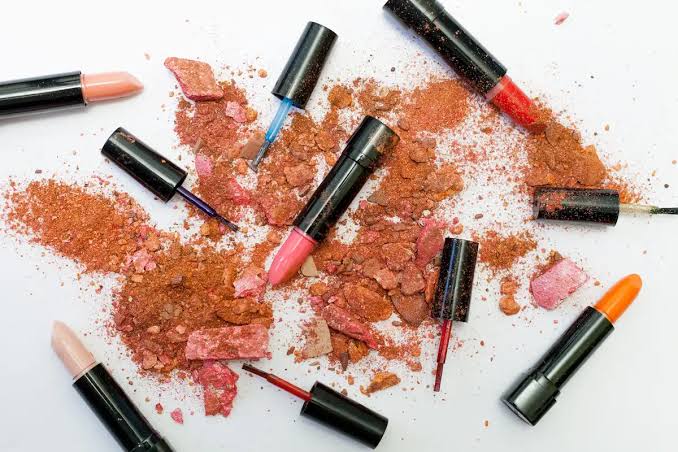
The cosmetics industry is based on innovation, quality and trust. All products that hit store shelves are a result of months of formulation, testing, manufacturing and packaging. But no cosmetic product – not even the best can be rejected for the market – if it does not comply with regulatory standards and quality. That is the reason compliance is now a vital aspect of each and every stage of cosmetic manufacturing.
Today’s consumers are far more informed than ever before, too. They demand products to be safe, properly labelled and made uniformly. Meanwhile, worldwide regulatory bodies are tightening up compliance requirements. Estheticians take quality assurance seriously, not just because it helps keep a brand safe, but because it’s an essential part of the cosmetic manufacturing process. It’s not about the legal requirements, and more about the customer’s confidence.
Why Packaging Compliance Is the First Line of Quality Assurance
Packaging serves so much more than to protect a cosmetic product. It helps keep products stable, avoids product contamination, conveys vital product information and makes a first impression for customers. The product performance and regulatory compliance may be compromised due to any damage in a container, incorrect label or poor quality seal.
That’s the reason why cosmetics packaging inspection is so crucial in the manufacturing process. It validates packaging materials to ensure they are designed to meet specifications, label information is correct, caps and closures are working properly and final packages are suitable for transport and storage. Recognizing these issues before it hits the market will ensure that manufacturers do not have to call back their products, deal with customer complaints, and incur unnecessary financial losses.
Essential Stages of Cosmetic Manufacturing Compliance
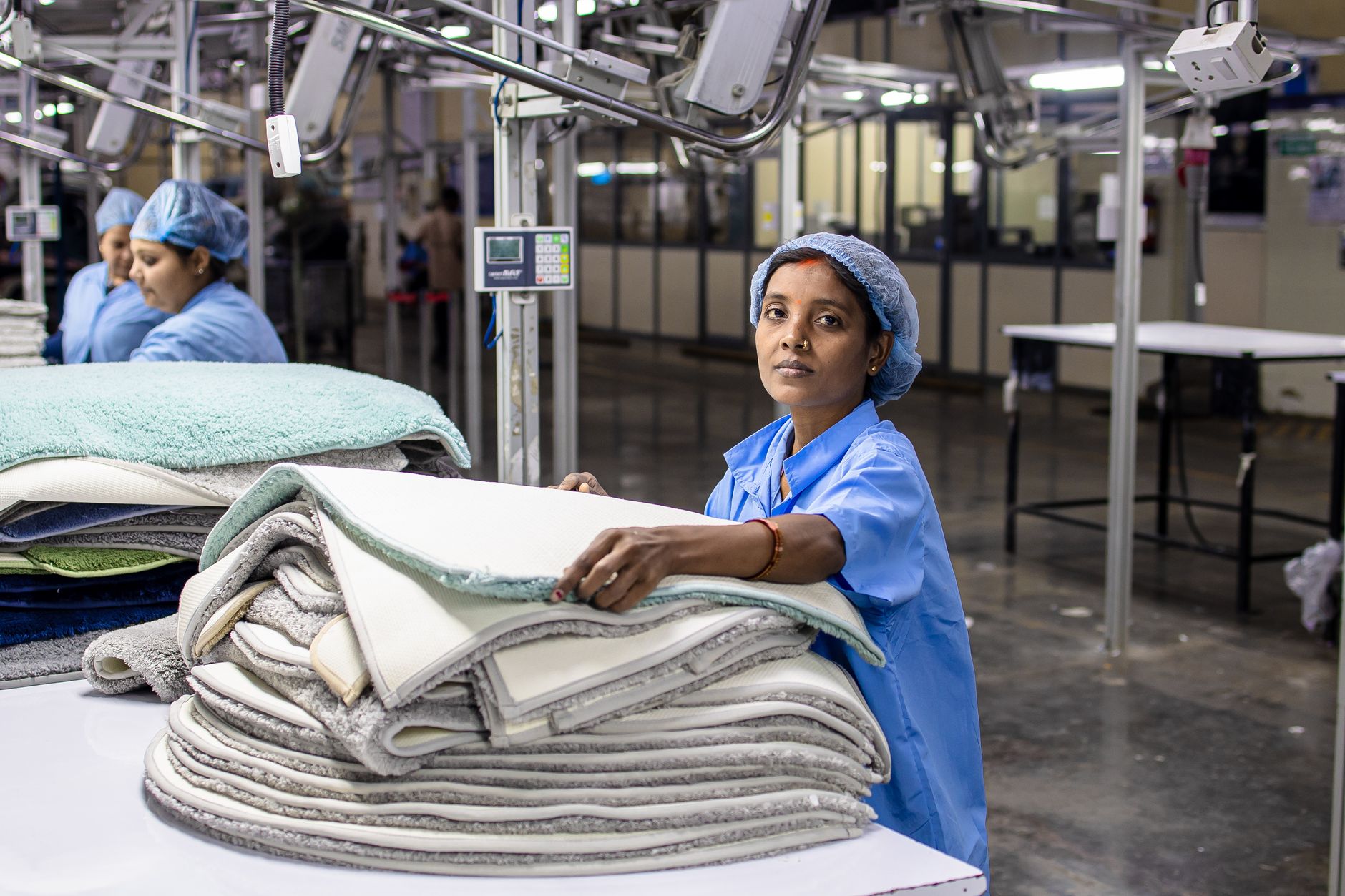
Compliance starts before production has begun. Manufacturers have detailed quality procedures that address the quality of raw materials, production controls, maintenance of production equipment, training of workers, and documentation. Each step is kept under check to ensure consistency and traceability of the manufacturing process.
- Raw Material Verification: Verifies ingredients’ safety and compliance with approved specifications.
- Production Process Monitoring: Makes sure that the manufacturing process is consistent throughout the production batches.
- Environmental Control: Carries out a clean production process, reducing contamination risks.
- Equipment Calibration: Tests to ensure production equipment meets acceptable specifications.
- Packaging Verification: Assesses whether the labels are correct, whether the seals are satisfactory and whether the packaging is sound.
- Batch Documentation Review: Keeps full production documentation for traceability and regulation purposes.
The combination of these activities form a quality system with a reliable quality control structure that reduces manufacturing risks and allows for consistent product quality.
The Importance of Final Product Validation
Once manufactured and packaged products are finished they are subjected to a final validation process before being sent out for distribution. This stage verifies that the products have been completed and have all the necessary quality standards, such as physical appearance, packaging condition, labelling accuracy and product performance.
Validation also can be used to ensure consistency from batch to batch in production. Comparing the results of the tests with predetermined acceptance criteria, to ensure the consistency of quality in each batch produced. It is this last review which acts as an extra protection prior to the products entering the domestic or international markets.
Common Compliance Challenges in Cosmetic Manufacturing
It can be hard to keep up with compliance with an expanding product line. Cosmetic companies have to deal with multiple markets around the globe, as well as new formulations, packaging designs, and ingredients. They must be evaluated carefully for each change to make sure that they adhere to regulations and quality requirements.
One of the other difficulties is conforming to changing requirements of regulation. Depending on the country, different labels are used, ingredients are prohibited, and different documentation is required. Manufacturers need to keep their quality management systems current to prevent delays, rejection of shipments or taking regulatory action.
Why Integrated Quality Systems Deliver Better Results
Instead of compliance being the last line of defence, the best manufacturers incorporate quality as a trait in the process. They combine all of these supplier controls, manufacturing controls, packaging verification, laboratory testing, and documentation aspects into an integrated quality management system.
This is an integrated solution that not only enhances the visibility in operations, but also helps potential problems be discovered much earlier. Manufacturers are not waiting to fix the defect after the production phase, they can fix process variations prior to production affecting finished product. This results in improved operational efficiency, reduced quality costs and higher customer confidence.
Conclusion
Ensuring cosmetic product compliance with regulations goes beyond making a pretty product. Requires strict quality systems, consistent manufacturing processes, documentation and continuous monitoring during the manufacturing process. With proper management of each Step, manufacturers can provide products that satisfy the requirements of customers and international regulatory requirements.
Product Inspection is the last verification section to give confidence that cosmetic products after production meet the quality standards before they hit the market. With robust manufacturing controls and extensive validation processes, businesses can minimise compliance risks, safeguard their brand and foster trust with customers across the globe.









Leave a Reply